Cleaning Company Accounting: Master Job Wins
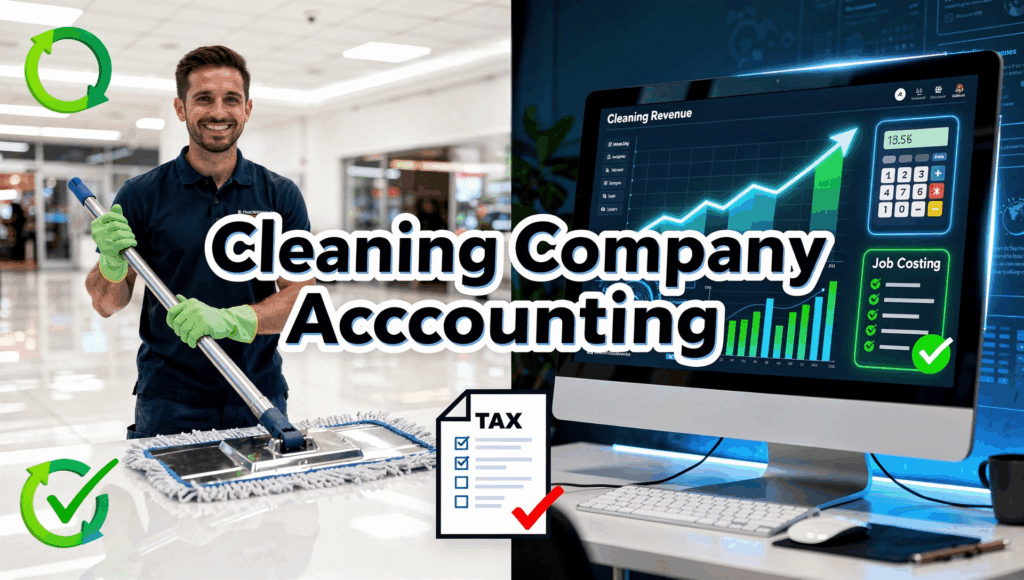
Mastering Cleaning Company Accounting Financial management is a critical aspect of running a successful cleaning business. Effective cleaning company accounting ensures accurate revenue tracking, proper job costing, and informed financial decision-making. From understanding revenue recognition and job costing to managing labor costs and inventory, each element plays a significant role in the overall profitability and sustainability of your company. In this article, we will explore various financial management strategies tailored specifically for cleaning companies, providing actionable insights and expert advice to enhance your operations. Understanding Recurring Revenue Recognition Residential Contracts Residential cleaning contracts often involve a subscription model or recurring service agreements. Recognizing revenue from these contracts requires understanding the timing of when services are rendered versus when payment is received. For instance, if a customer pays for a six-month cleaning service in advance, you should recognize the revenue monthly rather than all at once. This aligns your income with the service provided, ensuring a more accurate financial picture. To manage this effectively, consider implementing a robust accounting system that allows for deferred revenue tracking. This will not only help in maintaining accurate financial statements but also aid in forecasting cash flows. Regularly reviewing these contracts can identify opportunities for upselling additional services, thus enhancing revenue streams. Commercial Contracts Commercial cleaning contracts often differ in structure, typically involving longer-term commitments and varying payment schedules. Understanding the nuances of these agreements is vital for accurate revenue recognition. For example, some contracts may stipulate monthly billing while others might be based on project milestones. Using project management tools that integrate with your accounting system can streamline the tracking of revenue recognition for these contracts. This not only improves accuracy but also enhances communication with clients, ensuring clarity on service expectations and payment timelines. Job Costing by Service Type Different Cleaning Services Job costing is essential to determine the profitability of various cleaning services offered by your business. Accurate job costing is also a core component of effective cleaning company accounting, ensuring that financial decisions are supported by reliable data. Each type of service—whether residential, commercial, carpet cleaning, or specialized services—will have different associated costs, including labor, supplies, and overhead. By categorizing your services and analyzing the costs associated with each, you can identify which services are most profitable. This data-driven approach will guide you in making informed decisions about pricing strategies, service offerings, and resource allocation. Analyzing Job Costs Once you have categorized your cleaning services, the next step is to conduct a thorough analysis of job costs. Gather data on labor hours, material usage, and indirect expenses to calculate the total cost of delivering each service. Using accounting software can facilitate this process, allowing for real-time tracking and adjustments. Regularly review job cost reports to identify trends and potential inefficiencies. This proactive approach enables you to fine-tune operations, ensuring that you maximize profitability while maintaining quality service. Strong cleaning company accounting systems make this analysis faster and more accurate. Supply Inventory Tracking Importance of Inventory Management Effective supply inventory tracking is crucial for maintaining operational efficiency in a cleaning company. Proper inventory management helps prevent overstocking and stockouts, which can disrupt service delivery. It also ensures that you have the necessary supplies available for each job without incurring unnecessary costs. Implementing an inventory management system tailored for cleaning services can simplify tracking and ordering. This system should provide real-time updates on stock levels and usage patterns, enabling you to make informed purchasing decisions and optimize your supply chain. Best Practices for Tracking Supplies To enhance your inventory tracking, consider adopting best practices such as conducting regular physical counts and utilizing barcodes for easy tracking. Establish a reordering threshold to automate supply replenishment, ensuring you never run out during critical periods. Additionally, maintain relationships with multiple suppliers to ensure competitive pricing and availability. Regularly reviewing supplier performance can also lead to improved negotiations and procurement strategies. Labor Cost Allocation Employees vs. Contractors Labor costs represent a significant portion of your cleaning company’s expenses. Understanding the differences between employing full-time staff and hiring contractors is essential for effective labor cost allocation. Employees typically come with benefits and payroll taxes, while contractors may offer flexibility but require careful management to ensure compliance with tax regulations. Assess your business model and determine the best approach for your labor needs. This evaluation should consider factors such as the volume of work, project duration, and financial implications. Properly allocating labor costs is a key element of cleaning company accounting, helping you maintain accurate financial records and support compliant payroll reporting. Strategies for Effective Allocation To optimize labor cost allocation, implement job costing methods that accurately track hours spent on each project. This data allows for a more precise analysis of profitability by service type. Additionally, consider cross-training employees to maximize their utility across different jobs, reducing the need for additional hires during peak periods. Regularly evaluate labor performance and productivity metrics to identify areas for improvement. This proactive approach enables you to adjust strategies in real-time, ensuring that your labor force is effectively utilized and aligned with business goals. Contract Profitability Analysis Evaluating Contract Profit Margins Understanding the profitability of each contract is crucial for sustaining a successful cleaning business. Incorporating profitability reviews into your cleaning company accounting process ensures that you make informed decisions based on accurate financial data. Regularly evaluate contract profit margins by comparing the revenue generated against the associated costs. This analysis will help you identify unprofitable contracts and make necessary adjustments, whether through renegotiation, cost reduction, or discontinuation. Utilizing financial analysis tools can simplify this process, allowing for quick comparisons across multiple contracts. Consider developing a profitability dashboard to visualize performance metrics, enabling quicker decision-making and strategic adjustments. Tools for Profitability Assessment Various tools are available for assessing contract profitability. Accounting software with built-in analytics capabilities can provide insights into overall business health, while project management applications can help track contract progress and associated costs in real time. By regularly conducting profitability assessments, you can ensure that your cleaning company remains financially healthy and capable of adapting to changing market conditions. Tax Deductions