
Industry Guide

Explore our Industry Guide for in-depth insights and expert advice on various sectors, tailored to enhance your business and accounting knowledge.

Cartoon-style illustration of two dogs and two cats kayaking on Lake George with the Minnie-Ha-Ha steamboat in the background, promoting Lake George pet businesses in a scenic Adirondack setting.
Uncategorized, Industry Guide, Pets, Travel

13 Powerful Ways Lake George Pet Businesses Could Transform the Adirondacks Into a Pet-Friendly Paradise

Introduction: A Vision for Lake George Imagine a picturesque town nestled in the heart of the Adirondacks, where crystal-clear waters meet lush green mountains, and the air is crisp and invigorating. Now, envision this idyllic setting transformed into the pet business capital of the region, with dog-friendly destinations in New York that cater to every pup’s needs. Lake George has the potential to thrive in the pet tourism economy, offering a wide selection of pet-friendly Lake George hotels and cozy dog cabins in Lake George. As travelers seek accommodations for their pets, Lake George pet businesses can lead the way by providing outstanding services like dog grooming Lake George style, nutritious treats, and boutique supplies. This charming town can become a hub for starting a pet business in Lake George, backed by knowledgeable staff who help pet owners find the perfect experience for their companions. With a growing demand and the proven economic impact of pet-friendly tourism, Lake George pet businesses are uniquely positioned to elevate the region’s appeal. By fostering this lifestyle, Lake George can locate itself as a top destination for pet lovers, ensuring every visitor and pup enjoys an unforgettable stay in one of New York’s most beloved destinations. The Charm of Lake George Lake George, nestled in the heart of the Adirondacks, is not just a picturesque destination for nature lovers but also a thriving hub for pet owners seeking a vibrant community of Lake George pet businesses. This charming area offers a wide range of options for those who want to enjoy the great outdoors with their furry companions. From scenic trails to pet-friendly accommodations in the Adirondack region, Lake George pet businesses ensure that every pet parent has everything they need to pick the perfect experience for a memorable and fulfilling getaway. For those looking to pamper their pets, The Dog Cabin—one of the standout Lake George pet businesses—offers a thoughtfully curated variety of dog toys, stylish collars, and healthy treats made from high-quality ingredients. While the boutique segment is still growing, businesses like this show the potential for future expansion. Local stores now carry an expanding selection of pet supplies that cater to shelter dogs and household pups alike. Whether you need to pick up nutritious dog food or are seeking unique gifts, these businesses offer a wide range of products that reflect the area’s pet-friendly culture. Current trends in the Lake George pet business landscape reflect a growing demand for premium services tailored to the needs of today’s pet owners. Dog grooming in Lake George has become increasingly popular, with many salons offering specialized grooming that prioritizes pet health and comfort. As more travelers explore the pet-friendly Adirondack region, local stores continue to carry a greater variety of dog toys, treats made from wholesome ingredients, and gear designed for outdoor adventures. Additionally, pet owners actively seek up-to-date information on wellness trends and products, making it essential for Lake George pet businesses to stay informed and responsive. The community is rich with culture, year-round outdoor activities, and an inviting atmosphere that reflects the inclusive spirit of Lake George pet businesses. From hiking trails and beaches to picnic areas and parks, there are endless opportunities for adventure. With continued support of pet-focused enterprises and thoughtful local initiatives, Lake George can cement its position as the premier pet-friendly destination in New York. Current Trends in Pet Ownership and Tourism Recent studies indicate an increase in pet ownership, with nearly 70% of U.S. households owning at least one pet. This trend reflects a shift in societal values, where pets are increasingly viewed as family members rather than mere animals. As a result, more pet owners prioritize travel experiences that include their pets, seeking accommodations and activities that welcome furry companions. Lake George pet businesses are uniquely positioned to meet this rising demand by offering a variety of services that enhance the travel experience for pets and their owners. Travelers today are not only looking for pet-friendly hotels but also for tailored experiences—something Lake George pet businesses deliver through pet-friendly restaurants, parks, and local attractions. By tapping into this trend, Lake George pet businesses can attract a growing demographic of pet owners who prioritize their pets’ well-being, comfort, and happiness while exploring new destinations. The Economic Impact of Pet Friendly Tourism Boosting Local Economy Through Pet-Centric Businesses The introduction of Lake George pet businesses can significantly boost the local economy. Pet-centric services such as grooming, training, and daycare facilities attract not only pet owners from neighboring areas but also tourists who are willing to spend on high-quality services. When visitors choose to travel with their pets, they often spend more on accommodations, dining, and activities, ultimately benefiting the local economy. Moreover, pet-friendly tourism can help to extend the tourist season. Instead of just summer visitors, the area can attract year-round tourists, especially during fall and winter when outdoor activities like hiking and skiing can be enjoyed with pets. This diversification can lead to a more stable economic environment, reducing reliance on seasonal income. Job Creation in the Pet Industry As the demand for pet services increases, so too does the need for skilled labor. The establishment of Lake George businesses would create new job opportunities in the region, ranging from veterinary services to pet retail and hospitality roles. Training programs and apprenticeships could be implemented to ensure that local residents are equipped with the skills needed to thrive in this burgeoning industry. Furthermore, as pet ownership continues to rise, additional job sectors such as pet therapy, pet photography, and dog walking services may emerge. This creates a ripple effect, enhancing job prospects not just in direct pet services but also in ancillary sectors such as marketing, sales, and event planning. Opportunities for Entrepreneurs Pet Services: Grooming, Training, and Boarding The growing pet industry presents a wealth of opportunities for entrepreneurs in Lake George. A range of services such as grooming, training, and pet boarding can cater to the needs of both locals and tourists. Grooming salons can offer services for pets of all sizes, while training schools can provide classes for obedience, agility, and specialized
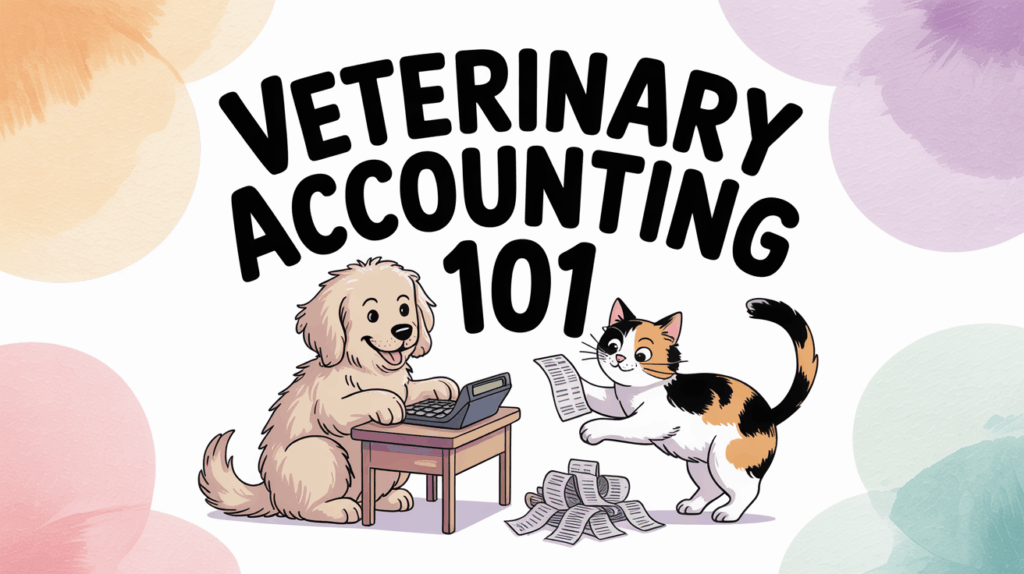

A playful illustration of a dog using a laptop and a cat holding receipts, symbolizing veterinary clinic accounting for pet businesses.
Industry Guide, Pets

Veterinary Clinic Accounting 101: Essential Strategies for a Thriving Practice

Veterinary clinic accounting plays a pivotal role in ensuring the financial health, regulatory compliance, and operational success of veterinary businesses. In the ever-evolving veterinary industry, effective accounting practices are crucial for navigating the complexities of veterinary medicine. From tracking daily expenses and managing accounts to strategic tax filing and financial forecasting, accounting functions are the backbone of a well-managed veterinary practice. By allocating resources wisely and maintaining accurate financial records, practice managers can achieve their financial goals while ensuring compliance during tax season.  This guide explores essential principles, challenges, software solutions, and industry-specific strategies designed to support veterinary professionals in mastering their financial operations, including bookkeeping for veterinarians, payroll management, and preparing profit and loss statements to facilitate informed financial decisions. The Role of Veterinary Clinic Accounting in Business Success In the ever-evolving veterinary sector, effective veterinary clinic accounting is crucial for ensuring a successful veterinary practice. By utilizing specialized accountants for veterinary services, clinics can manage the financial aspects of their operations more efficiently. Proper accounting practices, including veterinary practice bookkeeping, enable clinics to maintain accurate financial data, leading to better veterinary practice management.  A well-structured accounting system not only tracks expenses and revenue but also aids in financial reporting, providing a clear balance sheet that reflects the health of the business. Furthermore, by implementing cloud-based platforms, veterinary practices can enhance their record-keeping and streamline their workflow, resulting in smarter financial decision-making. This tailored approach to managing the financial aspects of a veterinary practice ensures that clinics remain profitable and can allocate capital towards upgrading medical equipment and other essential assets. Regular audits are a vital step in maintaining transparency and ensuring tax compliance for veterinary clinics. These audits not only provide insight into financial performance but also help identify areas for improvement. By understanding financial information, veterinary practices can better manage financial resources and make strategic decisions regarding investments, staffing, and client services, ultimately leading to enhanced profitability. Utilizing expert vet accounting services or a veterinary clinic CPA can further streamline this process, delivering stress-free guidance to ensure that accounting for veterinarians is handled efficiently.  Moreover, tracking revenue by service allows clinics to benchmark their performance and adapt to changing market conditions, providing the security needed for sustainable growth. In an emergency situation, having reliable financial data at hand allows for quick decision-making, reinforcing the trust clients place in your veterinary practice. Choosing the right bookkeepers for veterinary services ensures that your accounting processes are optimized in the cloud, making it easier to access critical financial data anytime, anywhere. Remember, veterinary accounting is unique and requires tailored strategies to thrive. Furthermore, effective accounting allows veterinary clinics to monitor trends in the industry, helping them adapt to changes and maintain competitiveness. By utilizing comprehensive accounting services, clinics can analyze their financial statements and adjust their strategies accordingly, ensuring long-term success within veterinary practice management. Veterinary clinic accounting involves much more than simple data entry. It encompasses a broad range of financial services including accounts receivable, accounts payable, payroll, budgeting, accrual accounting, and tax services. A well-structured accounting department allows veterinary clinics to maintain accurate records, analyze financial performance, and make informed decisions based on up-to-date data. Understanding the core principles of veterinary accounting services helps professionals in the industry stay compliant with evolving tax laws, optimize cash flow, and plan for future growth. With increased competition and the rising cost of veterinary services, understanding the accounting challenges of pet stores and veterinary clinics has never been more critical. Bookkeeping for Pet Businesses and Veterinary Clinics Managing finances is crucial for any business, and veterinary clinics are no exception. Veterinary practice accounting plays a vital role in ensuring that your clinic runs smoothly and efficiently. By implementing effective accounting practices and maintaining detailed bookkeeping records, you can minimize stress and focus on providing the best care for your furry patients while keeping your financial health in check.  Understanding the numbers and having the right form of financial management can significantly enhance your veterinary practice accounting. With the right bookkeeping tasks in place, you can maintain a clear financial picture of your vet clinic, which is essential for making informed decisions and strategic planning. American veterinary practices are increasingly recognizing the importance of professional bookkeeping. By outsourcing these tasks or using specialized accounting software, clinics can save time and reduce the risk of errors. This allows veterinary professionals to dedicate more time to their patients and less time worrying about financial paperwork. Including veterinary bookkeeping in your clinic’s operations not only enhances efficiency but also builds a foundation for growth. Accurate financial records are essential for evaluating performance, budgeting for future expenses, and preparing for audits. In a competitive market, having robust accounting practices can set your practice apart and help you thrive. Bookkeeping for pet businesses and veterinary clinics is foundational to sound financial management. Accurate records of transactions, employee benefits, chart of accounts, and inventory levels are essential for creating a veterinary accounting system that works. Many clinics rely on outsourced bookkeeping services for veterinary practices to reduce overhead, eliminate human error, and free up valuable time. By classifying income and expenses consistently and reconciling accounts monthly, veterinary businesses can ensure their records are always audit-ready. Business Software for Pet Groomers and Veterinary Professionals Technology plays a major role in modern veterinary clinic accounting. Cloud-based business software for pet groomers and veterinary clinics, such as QuickBooks for dog groomers and veterinary bookkeepers, helps automate routine tasks. These tools streamline invoicing, track payments, manage tax filing, and support the creation of separate accounts for different income streams. Veterinary hospitals using QuickBooks or other accounting software can quickly generate financial statements, classify transactions, and evaluate clinic performance in real time. This allows veterinary professionals to respond swiftly to market shifts and client demands. Tax Services and Financial Planning in Veterinary Accounting Comprehensive veterinary clinic accounting also includes advanced tax planning and financial services. Working with a CPA familiar with veterinary business models ensures compliance with federal, state, and local tax regulations. Veterinary tax

People enjoying a vibrant Long Island town center, showcasing the thriving industries in Long Island such as retail, real estate, and tourism.
Industry Guide, Travel

Thriving Industries in Long Island’s Most Populated Towns 2025

Long Island is home to a wide array of thriving industries in Long Island, offering diverse employment opportunities across its towns. From technology and healthcare to tourism and education, the region’s economy is both dynamic and resilient. Tourism: A Vital Economic Driver One of the most prominent thriving industries in Long Island is tourism. Iconic locations like Jones Beach and Montauk Point Lighthouse attract both residents and visitors. Partnerships with Discover Long Island and development agencies continue to promote these attractions. The Long Island Rail Road (LIRR) enhances access, further boosting tourism as a key economic sector. Healthcare: A Cornerstone of Stability The healthcare sector stands out among the thriving industries in Long Island, particularly in towns like Hempstead and Islip. With institutions such as South Nassau Communities Hospital and Brookhaven Memorial Hospital, the region offers both essential services and professional training. Clinics and urgent care centers have proliferated, contributing significantly to job creation. Technology: A Growing Force The technology sector is rapidly expanding and becoming one of the most thriving industries in Long Island. Startups and established companies are planting roots across towns, attracting talent and investment. Areas like Bethpage and Stony Brook are emerging tech hubs. Real Estate & Construction: Building the Future Real estate development and construction are booming as more people relocate for a better quality of life. These sectors are among the thriving industries in Long Island, with projects modernizing infrastructure and addressing housing needs. The construction surge creates jobs for engineers, project managers, and skilled laborers. Education: Developing a Skilled Workforce Education is essential in supporting thriving industries in Long Island. Institutions such as SUNY College at Old Westbury provide the skills needed by local employers. Public and private schools across Hempstead, Brookhaven, and Islip maintain high standards and help build a competent labor force. Retail: The Local Economic Backbone Retail is another key pillar of thriving industries in Long Island. Shopping centers like Roosevelt Field Mall, Patchogue Plaza, and Islip Shopping Center provide jobs and services. Retail not only drives consumer spending but also strengthens local identity and interaction. Cultural and Economic Hubs Towns like Huntington and Riverhead are developing into economic and cultural centers. With institutions like the Cradle of Aviation Museum and UBS Arena, Long Island integrates entertainment into its economic framework. The wine industry also continues to grow, enhancing both tourism and local commerce. Transportation and Connectivity Accessibility boosts many of the thriving industries in Long Island. With JFK, LaGuardia, and MacArthur Airport nearby, and the LIRR linking towns to NYC, transportation is a crucial enabler of economic activity. Local Leadership and Economic Support Organizations like the Long Island Association and local governments play vital roles in supporting thriving industries in Long Island. Through development grants and promotional campaigns, they help towns like Oyster Bay and Ronkonkoma attract and retain businesses. The Road Ahead Looking ahead, emerging trends such as telehealth, e-commerce, sustainable construction, and tech innovation will shape the future of thriving industries in Long Island. Towns like Hempstead, Brookhaven, and Islip will continue to lead this evolution, offering ample opportunities for residents and investors alike. FAQs What are the main economic sectors in Hempstead, Brookhaven, and Islip?Healthcare, education, retail, and construction are the primary thriving industries in these towns. How does the healthcare sector impact job opportunities?It creates numerous roles, from medical assistants to specialists, and is projected to continue growing. What educational institutions contribute to workforce development?Public schools and colleges like SUNY College at Old Westbury play a major role. How does retail support local economies?Retail provides goods, services, and substantial employment, especially in major shopping centers. What trends are shaping construction in Long Island?Modernization projects and sustainability initiatives are driving job growth and development. In conclusion, the thriving industries in Long Island reflect the region’s diverse, community-driven economy. With continued investment, innovation, and collaboration, Long Island remains a vibrant place to live, work, and grow.

Woman attending online therapy session on a laptop in a cozy home setting, representing a remote therapy business.
Uncategorized, Industry Guide, Medical

Remote Therapy Business 2025: Rise of Online Therapists, a Breakthrough

Introduction As the world has adapted to digital solutions, the realm ofmental health has experienced significant transformations, particularly with the rise of remote therapy practices. This comprehensive guide aims to navigate business owners and aspiring therapists through the nuances of starting and scaling a remote therapy business in 2025. Whether you’re a licensed therapistlooking to expand your reach or a newcomer to the field, understanding the landscape, legalities, technology, and marketing strategies is… Understanding the Remote Mental Health Practice Landscape What is Remote Mental Health Practice? Remote mental health practice, commonly known as teletherapy or online therapy, involves providing psychological services via digital platforms. This setup allows therapists to connect with clients through video calls, chat, or emails, offering flexibility and accessibility for both parties. It serves individuals who may face barriers to traditional therapy, such as distance, mobility issues, or time constraints. Operating an online mental health clinic allows therapists to broaden their geographic reach and improve client access. In addition to convenience, remote therapy often provides a level of comfort for clients, allowing them to discuss sensitive issues from the safety of their own environments. As a result, many practitioners haveadopted a hybrid model, combining in-person and remote services to better serve their clients. In fact, the structure of a remote mental health practice has become increasingly recognized as a sustainable model. When launching an online mental health clinic, it’s important to ensure all tools and platforms meet HIPAA compliance standards. Current Trends in Telehealth In addition to convenience, remote therapy often provides a level of comfort for clients, allowing them to discuss sensitive issues from the safety of their own environments. As a result, many practitioners haveadopted a hybrid model, combining in-person and remote services to better serve their clients. In fact, the structure of a remote mental health practice has become increasingly recognized as a sustainable model. When launching an online mental health clinic, it’s important to ensure all tools and platforms meet HIPAA compliance standards. The rise of artificial intelligence and machine learning inhealthcare is also beginning to influence remote therapy. AI-driven chatbots are being used to provide preliminary support and resources, making the initial stages of therapy more accessible. As technology continues to evolve, staying informed about these trends will be vital for therapists aiming to enhance their digital therapy services. Choosing the right software for your onlinemental health clinic will streamline scheduling, billing, and secure communication. The Future of Remote Therapy Services The future of remote therapy services looks promising, with ongoing advancements in technology and growing consumer acceptance. As regulations adapt to the digital age, more therapists will be able to reach clients across state lines, expanding their practice beyond local communities. Furthermore, the integration of virtual reality and augmented reality is anticipated to play a role in creating immersive therapeutic experiences. Your online mental health clinic should provide an intuitive and user-friendly digital experience for both therapists and clients.   In this evolving landscape, therapists must remain flexible and open to embracing new methods and technologies to meet client needs effectively. Continuous learning and adaptation will be key components for thriving in the online therapy business plan of the future.  Expanding your services through an online mental health clinic can also support group sessions and workshops. Legal Setup for Your Remote Therapy Business Choosing the Right Business Structure As you embark on starting a remote therapy business, one of the first steps is determining the business structure that suits your goals. Common options include sole proprietorships, limited liability companies (LLCs), and corporations. A sole proprietorship is straightforward and requires minimal paperwork, but it doesn’t offer liability protection. In contrast, an LLC provides personal liability protection while allowing for flexible management structures. Consulting with a legal professional can help clarify which structure aligns with your business objectives and personal circumstances. This decision will shape aspects like taxes, liability, and operational flexibility. Registering Your Business Once you’ve chosen your business structure, the next step is to register your business with the appropriate local and state authorities. This process often involves filing specific paperwork and may require a fee. Depending on your location, you may need to acquire a business license and a tax identification number. Failure to properly register your business can lead to legal complications, so ensuring compliance with all regulatory requirements is essential. Moreover, maintaining good standing with local authorities will help build credibility with clients. Understanding Licensing Requirements Licensing requirements for therapists vary by state and can significantly impact your ability to practice remotely. Most states require therapists to hold a valid license to provide therapy services, and many have specific regulations regarding teletherapy. Familiarize yourself with the licensing requirements in the states where you intend to offer your services to ensure compliance. Additionally, some states may require you to obtain specific training or certification in telehealth practices. It’s advisable to check with your state’s licensing board to understand the requirements fully and ensure you’re prepared to meet them. Ensuring HIPAA Compliance What is HIPAA and Why is it Important? The Health Insurance Portability and Accountability Act (HIPAA) sets the standard for protecting sensitive patient information in the United States. For therapists operating remotely, ensuring compliance with HIPAA is crucial to maintain client confidentiality and trust. Violating HIPAA regulations can result in substantial fines and damage to your professional reputation. Understanding the implications of HIPAA in a remote setting is vital. It covers how client information is collected, stored, and shared, and mandates that therapists take necessary precautions to safeguard this data. As remote therapy involves the use of technology, ensuring that your practice adheres to these regulations is paramount. Best Practices for Maintaining Client Privacy Maintaining client privacy in a remote therapy business requires implementing stringent protocols. One effective approach is to use secure communication platforms that are designed to protect client data. Always opt for platforms that are HIPAA-compliant to ensure that any video calls, messaging, or file-sharing is secure. Additionally, it’s important to educate clients about privacy measures and what they can expect regarding

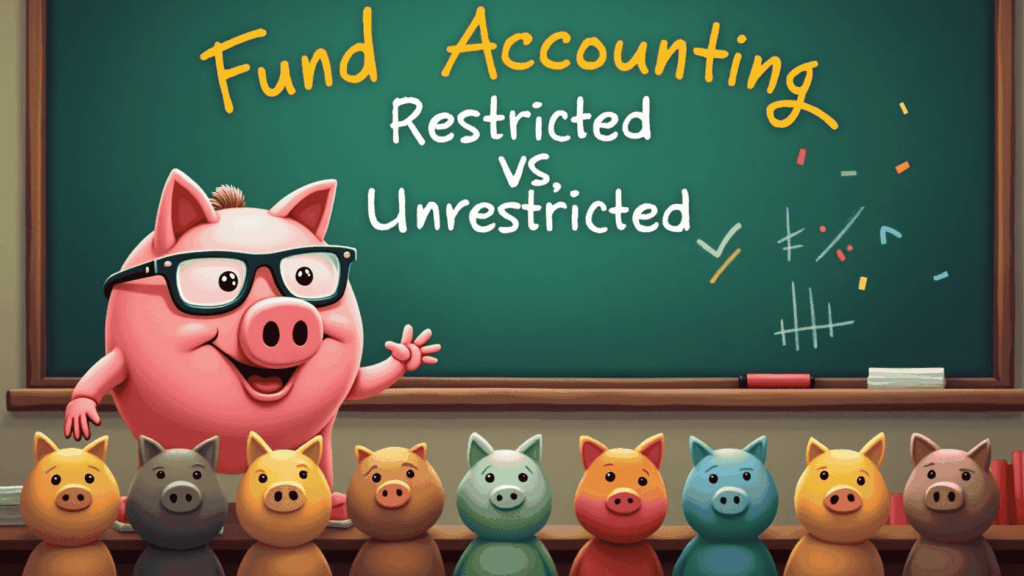
A cheerful, bespectacled cartoon pig stands in front of a chalkboard that says "Fund Accounting: Restricted vs. Unrestricted." Below, a row of smaller, colorful piggy banks are lined up. This image visually represents the concept of master fund accounting and its key distinctions.
Industry Guide, Nonprofit

How to Master Fund Accounting for Nonprofits in 2025

Introduction to Fund Accounting Fund accounting is a specialized accounting system used primarily by nonprofit organizations, allowing them to track and manage different streams of funding effectively. This system is essential because nonprofits often receive money with specific stipulations on how it can be used, making it critical to keep these funds separate and properly accounted for. In this guide, we will explore the various aspects of how to master fund accounting, offering insights into its principles, practices, and the importance it holds for nonprofits in maintaining transparency and accountability. Understanding the Importance of Fund Accounting in Nonprofits The ability to master fund accounting lies in its ability to ensure that organizations adhere to donor specifications regarding the use of contributions. Nonprofits often operate with restricted funds designated for particular projects, and fund accounting helps track how these funds are utilized. This creates a system of accountability that fosters trust between the organization and its donors, which is crucial for ongoing support and funding. Moreover, fund accounting supports the strategic allocation of resources within an organization. By clearly documenting income and expenditures for each fund, nonprofits can make informed decisions about budgeting and resource distribution, ultimately enhancing operational efficiency and effectiveness. Key Differences Between Fund Accounting and Traditional Accounting While traditional accounting focuses on profitability and overall financial performance, fund accounting is designed to emphasize the restrictions placed on funds. In traditional accounting, all revenues and expenses are typically pooled together, allowing for an overall view of the organization’s financial health. However, to master fund accounting requires strict segregation of funds based on donor intent, which means each fund must maintain its own set of accounts. This distinction is pivotal in ensuring that nonprofits meet legal and ethical obligations to their donors. Another key difference is the reporting requirements. Fund accounting necessitates more detailed reports, often breaking down income and expenses by individual funds, whereas traditional accounting may only produce consolidated financial statements. This added layer of detail can help nonprofits demonstrate compliance and effectively communicate their financial situation to stakeholders. Master Fund Accounting Principles Defining Restricted vs. Unrestricted Funds In nonprofit fund accounting, funds are categorized into restricted and unrestricted funds. Restricted funds are those that are given with conditions or limitations on how they can be used. For example, a donor may provide a grant specifically for a community program, and these funds must be spent solely on that initiative. Unrestricted funds, on the other hand, can be used at the organization’s discretion for any purpose. Understanding and managing these distinctions is crucial for transparency and compliance. Nonprofits must properly label and track both types of funds to ensure that they are utilized in accordance with donor intent. Mismanagement of restricted funds can lead to regulatory issues and damage trust with donors, making it essential for organizations to have a robust system in place for monitoring and reporting on these resources. The Role of Donor Intent in Fund Allocation Donor intent plays a critical role in fund allocation within nonprofits. Failure to honor the intentions of donors can not only jeopardize funding but also damage relationships and reputations. It is important for nonprofit organizations to develop clear communication channels with their donors to understand their expectations fully. This can include formal agreements outlining how the funds will be used, which can serve as a reference point for fund management. Moreover, nonprofits must ensure that they have the necessary mechanisms to track spending against donor intent. This might involve creating separate accounts or using software solutions that allow for detailed tracking of expenditures, ensuring compliance and fostering trust among stakeholders. Understanding Nonprofit Cash Flow Dynamics A critical aspect to master fund accounting involves understanding the unique cash flow dynamics within nonprofits. Nonprofits typically experience fluctuating cash inflows, often tied to grant cycles, fundraising events, and donor contributions. As a result, organizations must be proficient in forecasting cash flow needs, ensuring that they can meet operational expenses while maintaining compliance with fund restrictions. Effective cash management practices include regularly updating cash flow projections based on actual income and expenditure trends. By maintaining a detailed cash flow statement, nonprofits can better prepare for potential funding shortfalls and take proactive steps to secure additional funding or adjust spending as necessary. Proper Tracking of Funds Establishing a Robust Tracking System To manage funds effectively, nonprofits must establish a robust tracking system. This system should include processes for capturing all donations and expenditures related to each fund. A systematic approach can prevent errors and ensure that funds are used according to donor specifications. Implementing internal controls is also essential to safeguard against mismanagement or fraud. Documentation is key in fund tracking. Every transaction should be supported by receipts, invoices, or contracts, which can provide transparency and accountability. Additionally, regular reconciliation of accounts can help identify discrepancies and ensure that financial records are accurate and up-to-date. Utilizing Accounting Software for Effective Fund Management Incorporating accounting software can significantly enhance a nonprofit’s ability to manage funds. Modern accounting software solutions offer features tailored to master fund accounting, such as customizable reporting, tracking capabilities, and automation of routine tasks. These tools not only help organizations maintain compliance but also provide valuable insights into financial health and performance. When selecting accounting software, nonprofits should consider factors such as scalability, ease of use, and customer support. Training staff on how to use these systems effectively is also crucial to maximize their utility and ensure that everyone involved in fund management understands the workflows and reporting requirements. Best Practices for Documenting Fund Sources Accurately documenting fund sources is critical for maintaining transparency and complying with legal requirements. Nonprofits should establish clear protocols for recording the origin of each donation, including details such as the donor’s name, the amount, any restrictions on the use of the funds, and the date of receipt. Maintaining these records in a centralized database can facilitate easier reporting and auditing. Regular reviews of documentation practices can help identify areas for improvement. Nonprofits may also consider conducting training sessions for

Cartoon dog in a suit with glasses analyzing business valuation charts next to pet grooming products on a desk. Depicting how to value a pet grooming business.
Uncategorized, Grooming, Industry Guide, Pets

How to Value a Pet Grooming Business: Top 5 Factors

Introduction Valuing a pet grooming business is more than just crunching numbers — it’s about understanding what drives revenue, identifying cash flow multiples like SDE and EBITDA, and recognizing how discretionary earnings contribute to the business’s true worth. As small business ownership in the pet services industry continues to rise, learning how to value a pet grooming business has become increasingly important for grooming business owners, valuation professionals, and prospective buyers alike. Whether you are planning to sell your grooming business, buy or sell a boarding business, or simply schedule a free consultation to better understand your store’s financial standing, this guide will walk you through all the valuation methods and multiples commonly used in the pet industry. You’ll gain insights into factors such as the fair market value, demand for pet grooming, the amount of revenue generated, and how to analyze financial statements effectively. We’ll also explore average valuation multiples, differences between low and high valuation ranges, and how market value for a pet grooming business may vary based on location, grooming services offered, and customer loyalty. If you’re a small business owner or a potential buyer wondering how to value a pet grooming business, this article will help you consider the law, personal expenses, prospective buyers’ willingness to pay, and even tips on creating a website to increase your business’s value. Whether you are getting ready to transition to a new owner, consulting with a business appraiser, or just beginning to understand the value of your grooming business, knowing how to value a pet grooming business is key to planning for growth, setting the right sale price, and attracting top dollar from serious buyers. Understanding the Importance of Business Valuation When learning how to value a pet grooming business, it’s essential to recognize that the process extends far beyond financial statements and sale price expectations. Business valuation is a critical step for several reasons. For grooming business owners preparing to sell, an accurate valuation ensures they receive fair compensation for their hard work, brand reputation, and investment in store operations, grooming equipment, and customer loyalty. For those buying into the grooming or boarding industry, understanding the market value of a pet-related business helps avoid overpayment and supports a confident acquisition strategy. Valuing a small grooming or pet training grooming business involves more than just surface-level metrics. It requires evaluating cash flow multiples – SDE, EBITDA, and discretionary earnings, as well as understanding valuation multiples for a pet business. These metrics allow for comparisons across similar businesses and provide insights into whether you’re dealing with a low owner dependency model or a more robust structure with business growth potential. Existing pet grooming business owners can benefit greatly from scheduling a consultation with peak business valuation professionals to uncover areas needing improvement, track financials, and identify ways to position the business for higher valuation multiples in the future. Factors like customer retention, local pet demand, and additional services like pet training can significantly affect the business’s valuation. Whether you are buying or selling, or simply looking to understand your position in the market, knowing how to value a pet grooming business will help you discover the value, understand what buyers are willing to pay, and strategically plan your next move. From calculating multiple range values to reviewing accounting and bookkeeping data, this process empowers you to make informed decisions with confidence. If you’re ready to take the next step, you can start today by scheduling a free consultation with peak business valuation professionals who specialize in the pet services sector. Valuation isn’t just about numbers—it’s about aligning your business’s financial and operational performance with real-world market expectations. Who Should Read This Guide? This guide is tailored for a broad audience that includes business owners who are looking to sell, entrepreneurs interested in entering the pet grooming market, and investors who want to assess potential acquisition opportunities. Additionally, it serves as a resource for financial advisors and accountants who need to provide sound advice to clients in this niche. With the right information and understanding, all parties can benefit from a well-informed valuation process. Financial Metrics for Valuation Key Financial Ratios to Consider When learning how to value a pet grooming business, understanding core financial metrics is essential. These figures not only reflect your grooming business’s financial health but also help establish a credible, data-driven market valuation that both buyers and sellers can rely on. Key indicators such as multiples – SDE and EBITDA are frequently used when evaluating the profitability of a grooming business. These valuation multiples allow professionals to assess how efficiently the business is operating and provide a clear framework for comparing similar businesses in the dog grooming and pet training industries. Another critical component to consider when valuing a pet grooming business is how it performs against standard liquidity ratios like the current ratio, which evaluates whether the business can meet short-term obligations. Combined with metrics like return on investment (ROI) and earnings, these insights help determine whether the business valuation is in line with industry expectations and what prospective buyers might be willing to pay. For sellers, understanding these financial benchmarks helps ensure that you do not undervalue the business, while for buyers, they serve as a safeguard against overpaying. Whether you’re planning for growth, seeking a loan, or preparing for a transition, analyzing these numbers helps uncover the true market value of a pet grooming business. Ultimately, these metrics—when combined with operational insights—can help clarify the full picture. If you’re looking for guidance, business valuation can help identify strengths, uncover hidden potential, and support informed decisions. No matter your role in the transaction, knowing how to value a pet grooming business accurately is key to achieving your financial and strategic goals. Revenue Trends and Profit Margins When valuing a pet grooming business, it’s essential to analyze revenue trends over time. Consistent revenue growth indicates a healthy operation, while fluctuating revenues may be a red flag for potential buyers. Investigating seasonal trends in pet grooming services can also reveal

Scenic view of Lake George with boats docked under dramatic clouds, symbolizing the seasonal highs and lows of the Lake George economy.
Travel, Industry Guide

2026 Lake George Economy – Current Shocking Trends to Observe

The Lake George economy, once a vibrant summer staple in the Adirondacks local economy, is facing growing financial pressures. Renowned for its scenic charm and thriving small businesses, this New York State tourism hub is now burdened by high costs, seasonal dependency, and shifting traveler behavior. Local businesses—including Lake George restaurants, motels, mini golf attractions, and vacation homes—do well during the summer surge. But as soon as the crowds thin out, many are left scrambling. The off-season economy isn’t enough to keep most operations sustainable year-round. Major attractions like the Lake George Steamboat Company, Million Dollar Beach, and kayaking tours are seeing fewer visitors. These dips in turnout are weakening the broader Lake George tourism industry and creating instability in jobs and investment. In downtown Lake George, the signs of struggle are evident. Business closures and empty storefronts are rising. Rising energy bills, supply costs, and wages are making it harder for businesses—especially in places like Canada Street and Shepard Park—to stay open. To combat the Lake George economic downturn, revitalization efforts are underway. The Downtown Revitalization Initiative (DRI) is funding infrastructure, housing, and streetscape improvements. But many residents question if these investments are enough. Understanding the Economic Landscape of Lake George Overview of Lake George’s Economic Structure Tourism has long anchored the Lake George economy. This picturesque town in the Adirondack Park has historically drawn millions to its lakefront hotels, restaurants, and attractions. Family favorites like the Lake George Steamboat Company, kayaking tours, mini golf, and Million Dollar Beach were once pillars of the local economy. Retail destinations such as the Lake George outlets, shopping centers, and the baking company added to the town’s economic vitality. Today, that model is faltering. The Lake George off-season economy creates major gaps in revenue for vacation homes, pet-friendly hotels, and local eateries. Seasonal closures contribute to growing concerns in the broader upstate NY economic landscape. The tourism decline has triggered widespread Lake George business closures and highlighted long-term vulnerabilities. State and regional leaders—including the Lake George mayor and Governor Kathy Hochul—are responding with capital region winner grants, broadband expansion, and walkable village improvements. DRI funding is targeting the downtown area, waterfront, and public spaces like Shepard Park. The aim is to transform Lake George into a year-round economy supported by remote workers, local residents, and tourists alike. The Impact of Seasonal Dependency on Local Businesses Lake George thrives in the summer but falters in the fall and winter. Businesses around Million Dollar Beach, Lake George resorts, and downtown eateries depend on short seasonal bursts to make ends meet. When the tourism season ends, economic activity slows dramatically. Bakeries, village hotels, and stores feel the pressure. Some attempt to survive by hosting events, targeting locals from Glens Falls and Saratoga, or offering off-season deals. Despite their efforts, it’s not enough. A sustainable Lake George economy needs consistent year-round income. That’s why revitalization along Route 9 and Canada Street is critical. Projects now include developing indoor attractions, expanding white water rafting offerings, and boosting local festivals. To support this shift, regional officials are working to draw more attention to hidden gems like Diamond Point, upgrade infrastructure, and modernize tourism facilities. All are aimed at keeping foot traffic flowing beyond the peak season. Rising Operational Costs and Their Implications Analyzing the Factors Behind Increasing Costs The cost of doing business in Lake George is rising rapidly. From property taxes to utilities, local businesses face higher bills. Lake George village hotels, eateries along Million Dollar Beach, and small inns are all feeling the squeeze. Inflation affects everything—goods, services, and even marketing. Shops in the Lake George shopping district, kayaking companies, and pet-friendly hotels are struggling to maintain quality and affordability. At the same time, labor is a growing concern. Seasonal businesses like the steamboat company and white water rafting centers are competing for a shrinking labor pool. With few affordable housing options, potential workers from Saratoga, Albany, and even Warren County are hard to recruit. This strain is fueling broader economic development talks. State leaders are advocating for DRI funds to support affordable workforce housing, infrastructure upgrades, and redevelopment of underutilized properties. Consequences for Local Businesses and the Community The Lake George economy is in transition. While rising costs and seasonal fluctuations have strained businesses, there’s a clear opportunity for renewal. Thanks to initiatives like 10 million for downtown, Americade events, and new revitalization projects, the Lake George region is looking to reshape itself into a four-season destination. Efforts led by local officials, Governor Hochul, and the Chamber of Commerce aim to modernize infrastructure and invest in broadband, public art, and land and water recreation. For the Lake George town economy to flourish, stakeholders must work together—residents, state leaders, and business owners alike. By addressing off-season challenges, reducing business closures, and supporting vibrant neighborhoods, Lake George can emerge stronger and more resilient. The path ahead requires smart investment, visionary leadership, and community commitment. With these, Lake George can once again be a beacon of success in the New York tourism economy—every month of the year. Evolving Tourist Behaviors and Preferences Shifts in Consumer Spending Patterns Tourist demographics and spending habits in the Lake George economy have shifted significantly, reflecting broader upstate NY economic issues and national trends in tourism. Visitors increasingly seek personalized and immersive experiences, contributing to the rise of experiential tourism. Local attractions like the Lake George steamboat company, Lake George mini golf, and Lake George diamond point have adapted their offerings to meet evolving expectations. Online platforms have reshaped travel planning. For Lake George vacation homes, Lake George pet friendly hotels, and Lake George motels, building a strong digital presence is now critical to attracting guests. Lake George small businesses, especially in hospitality, must capitalize on this transformation to remain competitive in the changing landscape of the Lake George economy. Adapting to Changing Tourist Expectations To improve the Lake George tourism decline, local businesses must respond proactively. Prioritizing unique experiences—such as Lake George kayaking, Lake George white water rafting, and curated dining at Lake George NY restaurants—is key to satisfying today’s discerning

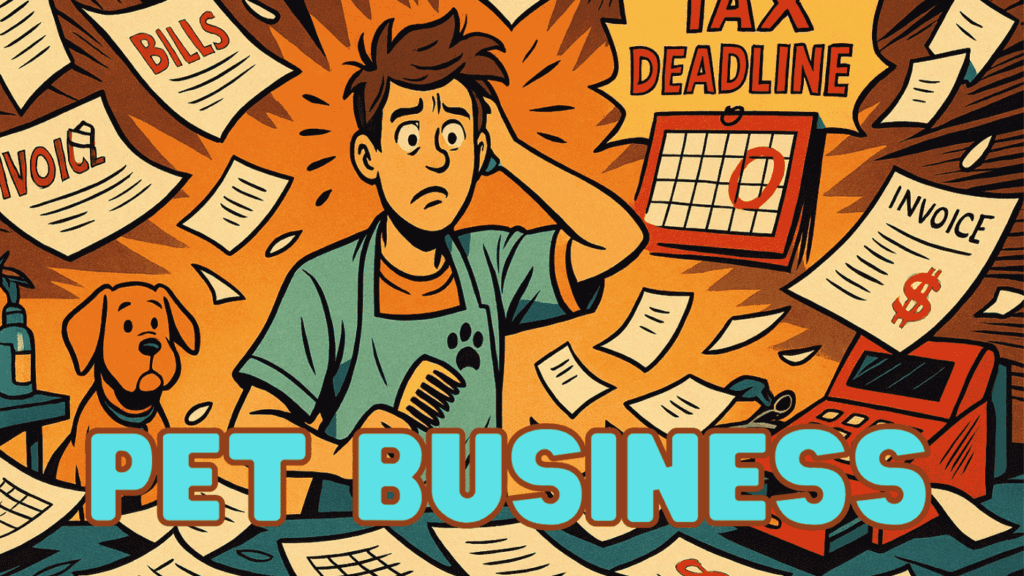
Comic-style illustration of a stressed pet groomer surrounded by invoices, bills, and tax deadline reminders—representing the chaos of poor bookkeeping for pet businesses.
Industry Guide, Pets

Bookkeeping for Pet Businesses: 10 Critical Fixes

Importance of Clear Financial Boundaries When you’re running a pet business, maintaining a clear boundary between your personal and business finances is more than just good advice—it’s essential for survival. Many passionate pet professionals unintentionally blur the lines, which can lead to costly mistakes. This article breaks down the most common bookkeeping mistakes pet groomers make, with a spotlight on why effective bookkeeping for pet businesses is critical to long-term success. One major pitfall? Mixing personal and business expenses. Without clean separation, you risk muddling your financial records, making it harder to determine profit margins or track business running smoothly. This confusion often leads to errors in tax reporting and missed income tax deductions—an issue that can invite unnecessary scrutiny or even audits. Poor bookkeeping for pet businesses practices also create problems when seeking funding. If you’re trying to get a loan to buy a pet grooming business, inconsistent records and unclear cash flow can deter lenders. As one dog grooming business owner learned, using business accounts to pay for personal bills led to a shortfall in funds for essential accounting needs like payroll and administrative supplies. Another overlooked area is managing recurring costs—like dog grooming business insurance costs, energy rates for dog grooming businesses, or business software for pet groomers. Without strong accountant knowledge or the support of a specialized system, these can spiral out of control. Implementing compliant, specialized accounting tools helps reduce liability and keeps your business remains profitable. Investing in bookkeeping for pet businesses empowers you to track profitability, budget for growth, and remain compliant with tax planning regulations. Using intuitive tools or consulting with a professional familiar with the accounting challenges of pet stores can help avoid these errors and ensure your pet business accounting is on solid ground. Ultimately, knowledge in accounting gives pet business owners the skills and confidence to make informed decisions. By separating finances, leveraging proper tools, and understanding the unique financial needs of your industry, you set the stage for a thriving, scalable, and resilient pet business. Not Using Industry Software: Missing Out on Efficiency In today’s digital age, bookkeeping for pet businesses has moved far beyond paper ledgers and handwritten invoices. Yet many pet groomers and business owners still rely on outdated systems, unaware of how much time and revenue they’re losing in the process. Failing to modernize your accounting methods can lead to errors, missed deductions, and unnecessary office costs—all of which affect your bottom line and the long-term ability to support your business. Investing in industry-specific business software for pet groomers, such as QuickBooks for dog groomers, is no longer optional—it’s essential. These platforms allow you to automate routine tasks like invoicing, expense categorization, and appointment tracking. You can even integrate grooming appointment schedules with payment systems, making it easier for clients to pay and reducing your administrative burden. Automated systems also help you maintain proper accounting knowledge, improving your ability to generate real-time financial reports. These tools offer built-in tax planning features to simplify filing and ensure compliance with tax laws for dog grooming small businesses. Instead of relying on guesswork, you’ll have a clear, digital trail that reflects your business’s true health. What’s more, software designed specifically for pet businesses often includes utilities that help manage shampoo inventory, monitor service history, and streamline regular grooming keeps. These features are especially valuable for maintaining client satisfaction and ensuring your grooming business remains profitable. Ultimately, embracing modern tools enhances your skills and knowledge as a pet business owner, helping you meet your obligations while giving you more time to focus on your clients. Whether you’re learning accounting step-by-step or already familiar with accountant basic knowledge, digital bookkeeping gives you a serious edge in running a dog grooming business efficiently and successfully. Ignoring Pet Industry Tax Deductions: A Costly Mistake One of the most common and costly grooming mistakes pet business owners make is overlooking the tax deductions they’re legally entitled to. Whether you’re just starting your bookkeeping for pet businesses or running a well-established grooming operation, ignoring allowable expenses can eat into your financial health and overall profitability. If you want to grow your accounting for dog groomers toolkit, it’s essential to learn how to value a pet grooming business not just in terms of income, but also in terms of tax savings. Every grooming product, office cost, and supply you purchase for business use might qualify as a deductible expense. Understanding these rules isn’t just good practice—it’s key to sustaining and scaling your business. Common Deductions for Pet Businesses Include: Supplies and Inventory: From shampoo and leashes to pet food and crates. Equipment: Grooming tables, clippers, dryers, and other tools. Marketing and Advertising: Websites, digital ads, consultations, and local flyers. Home Office Deduction: If you’re grooming from home, a portion of your rent, utilities, or mortgage may qualify. Vehicle Use: Mileage and maintenance for business-related trips. Maintaining strong records throughout the year is foundational to maximizing deductions. A clear consultation with a pet-savvy tax advisor can help you determine what is allowable under current tax laws. They can also guide you on how to learn accounting step by step or help integrate tools that support your goals for better recordkeeping. With careful planning and the right professional support, pet grooming professionals can reduce their tax liability, optimize their cash flow, and feel confident in the financial health of their operations. It all starts with recognizing that the right bookkeeping for pet businesses habits are just as important as your grooming skills. Failing to Track Inventory: Keeping Your Business Healthy Effective inventory management is a foundational skill when you’re learning how to run your business efficiently—especially in the pet grooming industry. Whether you’re just starting out or following tips for buying a pet grooming business, overlooking inventory control can have serious financial consequences. From stock shortages to expired products, poor inventory practices can lead to lost revenue and customer dissatisfaction. Understanding how to learn accounting step-by-step can significantly support your inventory efforts. When you grasp the basics of expense tracking and cost accounting,

A vibrant seaside tourist gift shop with handmade products and a point-of-sale system, symbolizing small business and tourist shop bookkeeping
Industry Guide, Travel

2026 Tourist Shop Bookkeeping: Use these Pro Tips Now

Introduction In the dynamic world of tourism, small gift shops and tourist stores do much more than sell souvenirs. They capture the local charm and cultural richness of their destinations, offering travelers handcrafted goods and regional specialties that create lasting memories. But running a successful shop takes more than great merchandise—it requires sound financial practices. This is where tourist shop bookkeeping becomes essential. Accurate records, timely tax filings, and well-structured financial planning help owners manage cash flow, track seasonal trends, and make informed decisions. Whether you are a CPA, bookkeeper, or enrolled agent supporting tourism businesses, organized books and consistent financial reviews can reduce risk and support long-term growth. By applying bookkeeping best practices for tourist stores, owners gain valuable insight into their operations and can confidently respond to changes in customer demand or market conditions. This article explores how tailored bookkeeping solutions help small tourism businesses stay competitive and thrive in an evolving travel economy. Importance of Accurate Records Understanding Financial Health Tourist shop bookkeeping plays a key role in helping business owners manage their expenses and income effectively. By keeping up to date records of financial transactions such as daily sales, vendor payments, and payroll, owners gain a reliable foundation for decision making. Well-organized books help identify trends, monitor seasonal fluctuations, and provide a clear picture of how the business is performing overall. Proper tourist shop bookkeeping also ensures transparency. It allows owners to recognize which parts of the business are thriving and which need improvement. For example, tracking sales tax in souvenir shops is a critical compliance task that is often missed without a clear bookkeeping system. Having access to historical data makes it easier to meet tax return needs and reduces the risk of costly errors. These insights are even more powerful when supported by accounting services tailored to small retailers or guided by an experienced EA or CPA. Moreover, smart tourist shop bookkeeping includes tools for inventory tracking in a tourist gift shop, managing receipt records, and evaluating product-level profitability. Whether you are reviewing a business activity statement, adjusting for seasonal changes, or building a budgeting plan, maintaining accurate and up to date books helps you stay in control of your operations. Incorporating professional accounting practices into your tourist shop bookkeeping process does more than support day to day activity. It empowers you to plan ahead, maintain compliance, and discover opportunities for growth, all while avoiding the stress of financial disorganization. Compliance with Regulations Compliance with financial regulations is another critical aspect of tourist shop bookkeeping. Local and national tax laws require that businesses maintain accurate records for taxation purposes. Failure to comply can lead to penalties, audits, and potential damage to the business’s reputation. By keeping meticulous records, shop owners can easily produce the necessary documentation during tax season, ensuring compliance and reducing the likelihood of audits. Moreover, maintaining accurate records contributes to regulatory compliance beyond tax obligations. Many jurisdictions have specific requirements regarding consumer protection laws, employee wages, and licensing. A well-organized tourist shop bookkeeping system can help ensure that all legal requirements are met, providing peace of mind for business owners and contributing to a stable operational environment. Benefits of Financial Transparency Building Customer Trust Tourist shop bookkeeping does more than keep your numbers in order. It builds trust, strengthens your brand, and supports daily operations. In the tourism industry, travelers are more likely to support businesses that are transparent, fair, and professional. When your books are well maintained and up to date, you can demonstrate clear pricing, ethical practices, and honest business operations. This kind of transparency helps foster customer loyalty and often results in positive reviews and word of mouth referrals. One of the most overlooked benefits of tourist shop bookkeeping is how it helps you categorize and track spending. Understanding expense categories unique to tourist shops, such as seasonal merchandise, promotional giveaways, and packaging for fragile items, gives owners a clearer picture of profitability. It also allows for more accurate reporting when addressing tax obligations or preparing a business activity statement. Tourist shop bookkeeping also makes it easier to respond to customer questions about pricing, availability, and even employee wages. With clean records and access to financial data from anywhere, your team can deliver reliable answers in real time. Whether you are using meru accounting offers, a virtual private network for secure connections, or working directly with accounting services tailored to the tourism industry, maintaining accurate data builds confidence across the board.   Ultimately, good tourist shop bookkeeping creates a ripple effect. It supports transparency, boosts your reputation, and simplifies the intricate details of daily operations. In a competitive market shaped by trust and experience, clean books can be just as valuable as a charming storefront. Attracting Investors and Partnerships Tourist shop bookkeeping can play a major role in attracting investors and building strategic partnerships. Investors are far more likely to support businesses that demonstrate accurate financial records and a strong understanding of their value in the marketplace. Well organized tourist shop bookkeeping helps you present your business clearly, with data that reflects the real value of sales, cost controls, and long term potential. These insights allow potential partners to assess the strength of your operations and make informed decisions about collaboration or investment. Transparent tourist shop bookkeeping also opens doors to better relationships with local artisans and suppliers. By showing financial stability and clarity, shop owners can negotiate more favorable terms for inventory, delivery, and payment. In some cases, proper bookkeeping practices even help small stores secure exclusive deals or priority orders, which can directly improve the customer experience. Incorporating consistent bookkeeping services, staying up to date, and maintaining accurate financial records are more than internal tools—they are essential strategies for growth. Whether you are tracking deductions, managing items through platforms like TradeGecko, or using a VPN to access your books remotely, tourist shop bookkeeping supports informed decisions and shows your commitment to professionalism. At its core, tourist shop bookkeeping is not just about keeping track of numbers. It is about building trust, proving

Person polishing a luxury SUV during a mobile car detailing service with a bright pink finish in front of a suburban home
Industry Guide, Automotive Accounting

Mobile Car Detailing Service: Boost Profits

In the fast-growing detailing industry, mobile car detailing services continues to thrive due to its convenience, customization, and accessibility. Whether you’re searching for “mobile car detailing near me cheap” or exploring the benefits of an “eco-friendly mobile car wash,” it is essential to evaluate service quality and operational efficiency using reliable statistical tools. In this blog, we apply concepts such as variable types, levels of measurement, and quantitative analysis to understand and improve customer experience and business performance in mobile detailing businesses. The rise of mobile detailing services reflects a broader shift in how car owners value convenience and cleanliness, especially when it comes to on-demand services for luxury cars and everyday vehicles alike. As detailing companies grow and the detailing has become increasingly sophisticated, so do their data needs. Understanding Variables in Mobile Detailing Analytics Types of Variables To effectively analyze trends in mobile car detailing services, we must first understand the types of variables in statistics. Data collected through customer feedback or service operations can be classified as either: Qualitative Variables: Brand of detailing service, vehicle make, customer satisfaction category (e.g., “excellent,” “fair,” “poor”) Quantitative Variables: Number of vehicles serviced per day, duration of a detailing job in minutes, or customer ratings on a 1–10 scale The distinction between qualitative vs quantitative variables is often shown in a simple chart that categorizes data into actionable insights for managers. With increasing advancements in detailing tools, these classifications become even more vital. Discrete and Continuous Variables in Mobile Detailing Detailing businesses produce both discrete and continuous variables: Discrete Variables: Number of appointments per day, number of technicians per team Continuous Variables: Total time spent on a detailing job, gallons of water used during an eco-friendly wash Understanding these differences allows professional mobile car detailing services to better schedule resources, manage inventory, and optimize service delivery. Whether it’s regular detailing, traditional detailing, or premium services, knowing the variable types ensures smarter business decisions. This insight is essential for managing operational costs, increasing profit margins, and offering services that save them time. Applying Levels of Measurement In analyzing mobile car detailing survey results average customer satisfaction, it is necessary to use the four statistical levels of measurement: Nominal: Types of detailing services (basic, deluxe, ceramic coating) Ordinal: Satisfaction levels (very dissatisfied to very satisfied) Interval: Temperature settings on detailing equipment (measured in degrees but lacking a true zero) Ratio: Time per service, cost per job—both with true zero points These levels help assess trends in car detailing service market size, which has grown along with the global car detailing service market and overall car detailing market. Case Study: Mobile Detailing for Pet Hair Removal Evaluating Performance Among the most common and labor-intensive requests in the detailing business is mobile detailing for pet hair removal. This service requires specialized tools, techniques, and added attention to detail. Evaluating its efficiency means examining multiple data points: Service time per job (continuous, ratio) using different tools and methods Satisfaction rating provided by customers (ordinal scale) Presence or absence of pet odor pre- and post-service (nominal) Frequency of service rebooking by pet owners (discrete) Average job cost and upsell rate for bundled services like paint protection or odor elimination (ratio) Quantitative analysis of mobile auto detailing service times for pet hair removal reveals how operational output correlates with tool efficiency and technician experience. For example, advanced vacuum systems or specialized brushes may reduce labor time by 25% while increasing satisfaction scores. Paint protection is often a premium add-on following pet hair removal, especially for luxury car owners who demand both aesthetic excellence and lasting protection. Detailed performance metrics from this case study can be used to train staff, optimize equipment investment, and create compelling marketing campaigns focused on pet-friendly households. Customer Satisfaction Surveys in Detail Designing Surveys That Work To remain competitive, mobile detailing businesses collect data from mobile car detailing survey results: “Rate your satisfaction” (ordinal) “Would you reuse this service?” (nominal) “What service tier did you select?” (nominal/ordinal) This data enables smarter decisions and service refinement. Comparisons to splash car wash or autobell car wash help assess competitive pricing. Mobile detailing apps are now vital tools for managing this feedback loop. Spotlight: Best Ceramic Coating Mobile Services Why Data-Driven Upsells Work Top best ceramic coating mobile service providers use: Interval data (temperature for curing) Ratio data (coating durability, return rates) Nominal data (product brand used) This enables professional car detailing providers to market value and durability effectively. Customers are more inclined to pay more when results are proven with stats. Market Trends in Mobile Detailing The global car detailing service market is booming as mobile detailing has become the standard for convenience and sustainability. Traditional detailing is giving way to on-demand, app-based experiences. What’s Driving Growth? Increasing sales of passenger cars Growing awareness of vehicle maintenance Expansion of mobile car detailing services across metro regions High ROI and competitive pricing Continued industry growth trajectory into 2024 and is expected to surge further Understanding the car detailing service market size helps detailing companies segment and scale. Conclusion: Driving Smart Decisions with Data Integrating statistics with mobile detailing services allows companies to: Enhance operational efficiency Pinpoint and fill service gaps Build better packages based on customer feedback Use data to validate marketing claims As service providers continue innovating, those who master data will dominate the mobile car detailing services space. The future of mobile detailing is not just clean—it’s calculated.

Smiling woman using a tablet with colorful charts, standing in front of a food truck — representing mobile food truck accounting.
Food Truck, Industry Guide

Food Truck Accounting: 7 Pro Cash Flow Tips

The Ultimate Guide to Food Truck Accounting: Cash vs. Accrual, Adjusting Entries, and More Running a food truck is no small feat. Between prepping meals, handling logistics, and scouting the best vending spots, it’s easy to overlook your finances. Yet, solid knowledge in food truck accounting is just as essential to your success as a great recipe. In this guide, we’ll break down the essentials of food truck bookkeeping, with a special focus on cash vs accrual accounting, adjusting entries, prepaid expenses, deductions, tax laws, and more. With these insights, you’ll build strong accountant knowledge and keep your small business compliant and profitable. Why Food Truck Owners Need Strong Accounting Practices Food trucks operate with tight margins and fluctuating cash flows. That makes accurate accounting not just a necessity but a competitive edge. Whether you’re budgeting for ingredients, projecting income from weekend events, or deciding what to outsource vs. handle in house, tracking the right numbers is critical for sound financial management. Proper food truck accounting practices, whether using cash or accrual methods, can significantly impact your food truck’s success. Accurate bookkeeping allows you to track your cost of goods sold, manage payroll efficiently, identify eligible deductions, forecast sales, and control expenses. Utilizing food truck accounting software or choosing whether to outsource or maintain in house accounting services can also streamline your bookkeeping, making it easier to manage financial entries and generate reports. These are just a few best practices that help cut costs while improving clarity and ensuring your operations align with relevant tax laws. Cash vs. Accrual for Food Trucks: Which is Right for You? One of the first decisions food truck owners must make is choosing between cash and accrual accounting or a hybrid approach like modified cash basis accounting. Cash Accounting Method: The cash method records income and expenses only when cash is exchanged. If you sell a meal today, it counts as income when you receive payment; expenses are recorded when paid. This method is great for tracking real time cash flow but may not show the full financial picture, as it excludes unpaid invoices or incurred expenses. Accrual Accounting Method: The accrual method records income and expenses when they are earned or incurred, regardless of when cash changes hands. This offers a clearer view of financial health, as it includes accounts receivable and payable. For example, if you cater a festival in September but aren’t paid until October, accrual accounting records the income in September. Some food businesses and vendor contracts even require accrual accounting to meet compliance and contractual standards. Modified Cash Basis Accounting: A blend of both cash and accrual methods, this option provides flexibility and a clearer snapshot of operational performance for mobile food operations. Choosing between these primary accounting methods depends on the size of your operation, financial goals, and complexity. Smaller food truck businesses might prefer cash accounting for simplicity, while larger or growing operations benefit from the insights accrual accounting provides. A professional from an accounting firm can help evaluate whether outsourced accounting or an in house accountant is right for your needs. Adjusting Entries for Food Trucks: What You Need to Know Regardless of which method you choose, adjusting entries ensure your records reflect actual financial performance at the end of each accounting period. These include: Accrued income: Sales made but not yet paid Deferred revenue: Prepayments from clients for future events Accrued expenses: Wages earned but unpaid Adjusting entries help you maintain accurate financial statements and stay prepared for tax season, especially when claiming business deductions or verifying eligible costs. This is one of the most effective best practices for staying audit ready and can significantly increase efficiency and help improve your food truck operations. Handling Prepaid Expenses for Food Truck Services Food trucks often pay upfront for essentials like permits, ingredient inventory, or storage. These are considered prepaid expenses. Proper food truck accounting ensures these are logged as assets and gradually recognized as expenses over time. Example Entry: Debit: Prepaid Expenses (Asset) Credit: Cash or Bank This method ensures your records don’t overstate assets and allows for more accurate budgeting. Using these best practices can help you cut costs by highlighting unnecessary recurring expenses. Understanding Deferral Food Truck Accounting Deferral accounting involves postponing the recognition of revenue or expenses until they are earned or used. For example: Deferred Revenue: Payment received today for a catering job next month Deferred Expenses: A six month propane lease paid in advance Deferral entries help align your financials with actual service timelines, improving reporting accuracy and contributing to overall financial management. This is crucial for tracking your average profit margin, evaluating profit and loss statements, and maintaining a clear picture of your net income and long term business health. Building Your Accountant Knowledge as a Food Truck Owner Improving your knowledge in accounting doesn’t require formal education. By learning to manage receipts, track costs, apply deductions, and understand when to outsource vs. when to hire an in house accountant, you’ll elevate your operation and avoid costly errors. Investing in these skills will not only build confidence but position your food truck for long term growth and profitability within the competitive food industry. Applying Your Method to Forecast Sales and Tax Compliance One of the key benefits of consistent and accurate accounting is the ability to forecast sales and plan for future growth. Understanding trends in your revenue and expenses allows you to set realistic goals and assess where adjustments are needed. This helps you stay proactive with tax payments and comply with all relevant tax laws, avoiding last minute scrambles during tax season. As a small business owner in the food industry, these insights aren’t just nice to have, they’re essential for survival. From projecting cash needs to identifying your most profitable menu items, financial awareness drives smarter business decisions. Tips for Food Truck Accounting Vital to Your Business The following tips for food truck accounting are vital to streamlining your processes: Choose the right primary accounting method for your operation Regularly

Illustration with colorful vehicles and the text 'Licensed Childcare,' symbolizing a playful and safe environment for children.
Childcare Business Accounting

Licensed Childcare Centers: Ensuring Safety and Compliance

    Who Regulates Licensed Childcare? Licensed Childcare is a vital service that supports children’s development and allows parents to work or attend school. The regulation of childcare services is crucial to ensure that children are provided with safe and nurturing environments. Childcare regulations vary by state in the United States, but the primary responsibility often lies with state and local public agencies. These agencies enforce childcare licensing requirements and ensure that childcare providers meet established health and safety standards. For example, the Virginia Department of Education oversees childcare licensure in Virginia. Licensing Ensures Minimum Health and Safety Requirements for Child Care Programs Licensing is a critical process that ensures childcare programs meet minimum health and safety standards. Childcare providers must submit a complete application for licensure to the appropriate licensing office, such as the Virginia Department of Education, which includes detailed information about the facility, staff qualifications, and operational procedures. This application must include the business entity section, background checks, reference letters, association bylaws, and other necessary documentation. The licensing process includes a thorough application review and a facility inspection to verify compliance with state regulations. Licensing inspectors visit child day centers at least twice yearly and investigate complaints to ensure ongoing compliance. This rigorous process helps protect children in care by enforcing standards for licensed child day centers, including staff-to-child ratios, health and safety protocols, and emergency preparedness plans. Licensing Provides Safe Supervision in Child Care Programs to Support Your Child’s Learning Childcare licensing is essential for health and safety and for providing safe supervision that supports children’s learning and development. Licensed childcare programs must adhere to specific standards that promote child development, such as appropriate curriculum planning, qualified staff, and safe, stimulating environments. These standards ensure that children receive quality care and education that fosters their growth and prepares them for academic success. For instance, in Virginia, the Office of Child Care Health and Safety establishes standards for licensed childcare day programs, ensuring that children under 13 receive proper supervision and care. This includes maintaining safe play areas, providing nutritious meals through programs like the Child and Adult Care Food Program, and implementing practical learning activities. Learn More About How Your State or Territory Licenses Child Care Programs Each state or territory has its childcare licensing regulations and processes. To learn more about the specific requirements in your area, you can contact the appropriate licensing office or visit their website. For example, you can contact the Office of Child Care Health and Safety in Virginia or use the Virginia child care licensing online portal to access information and resources. Here are some general steps and requirements you might encounter: Initial Application for Licensure: Childcare providers must submit a complete application to the licensing office, including the business entity section, background checks, reference letters, and facility details. This application must be submitted at least 60 days before the intended opening date of the child care center. Facility Inspection: You will be contacted by a licensing inspector to arrange an inspection of your facility. This inspection ensures that the childcare environment meets health and safety standards. Child day centers are inspected at least twice a year and investigated for any complaints. Staff Qualifications and Training: Childcare providers must meet specific training requirements, including health and safety training, child development courses, and continuing education. These requirements help ensure that staff are equipped to provide high-quality care. Background Checks: All individuals listed in the business entity section of the application must undergo background checks to ensure they are suitable to work with children. Renewal Application: Licensed childcare providers must submit a renewal application at least 12 months before the expiration of their current license. This renewal process helps maintain high standards of care and compliance with regulations. Health and Safety Protocols: Licensed childcare programs must adhere to health and safety protocols, including maintaining clean facilities, conducting regular safety drills, and ensuring playground safety. Documentation and Record-Keeping: Providers must keep detailed records of their operations, including staff qualifications, child attendance, and incident reports. These records are crucial for maintaining transparency and accountability. Contact your state’s licensing office directly if you encounter difficulties using the online portal or need further assistance. They can guide the application process, help you understand licensing requirements, and ensure timely application processing. Conclusion It is crucial to comprehend and adhere to childcare licensing regulations to guarantee the safety and welfare of children in care. Licensing enforces health and safety standards and supports child development by ensuring quality supervision and learning environments. By familiarizing yourself with your state’s specific licensing requirements and maintaining compliance, you can provide a high standard of care and support for the children in your program. For more detailed information, always refer to your state or territory’s child care licensing office and their available resources.

Scroll to Top