
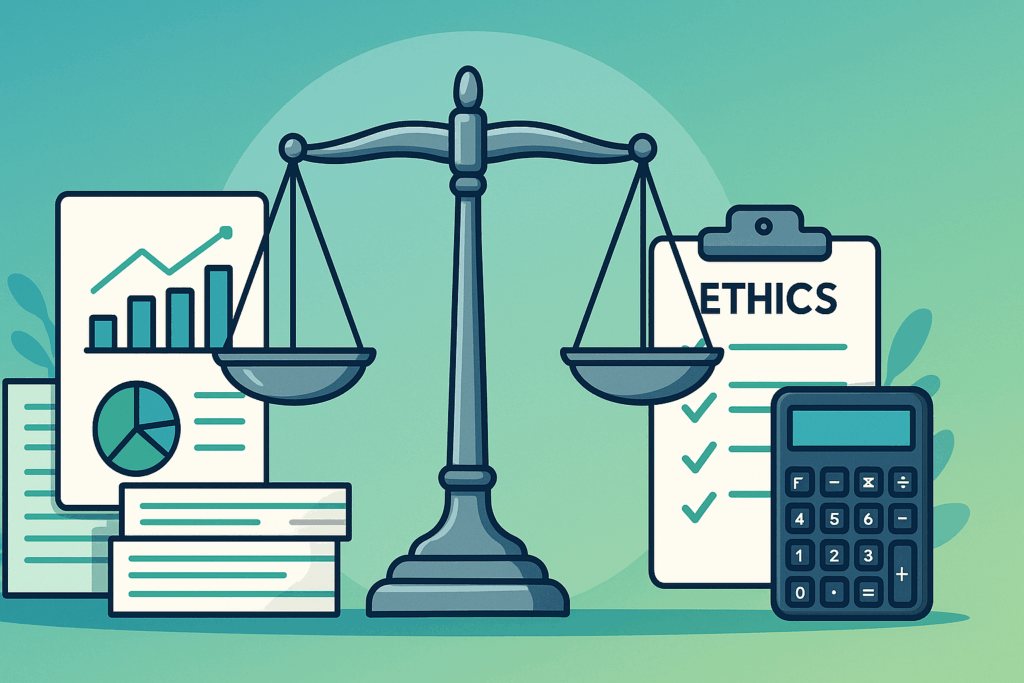

Understanding Ethics in Accounting
In the world of finance, where billions of dollars are exchanged daily, ethical practices in accounting serve as the backbone of trust and integrity. Ethics in accounting involves the moral principles that guide our behavior and decision-making in financial reporting, auditing, tax preparation, and more. Understanding these principles is vital for professionals, students, and business owners alike, as they navigate an increasingly complex financial landscape.
The Importance of Ethics in Accounting in the Financial World
Ethics in accounting is not just a set of guidelines; it is an essential component that impacts stakeholders at all levels. When accountants adhere to ethical standards, they contribute to the credibility of financial information, which is crucial for investors, clients, and regulatory bodies. The ethical implications of accounting practices can lead to broader social trust in financial markets, fostering an environment conducive to economic growth.
Moreover, ethics in the accounting profession play a crucial role in preventing fraud and misrepresentation, which can have devastating consequences on businesses and the economy at large. By adhering to the principles of ethics and the international code of ethics, professional accountants can maintain professional integrity and mitigate risks. This commitment to ethical accounting practices not only protects the interests of clients and stakeholders but also ensures compliance with the latest accounting standards and regulations. By prioritizing ethics, accounting professionals contribute to a more stable financial environment, reinforcing the importance of ethics for accountants in their professional and business relationships.
Key Elements of Ethical Accounting Practices
There are several fundamental components that define ethical accounting practices. These include integrity, objectivity, professional competence, confidentiality, and professional behavior. Integrity involves being honest and straightforward in all professional relationships, while objectivity requires accountants to remain free from conflicts of interest and undue influence from others. Professional competence emphasizes the need for accountants to maintain their knowledge and skills to provide high-quality services.
Confidentiality is paramount in the accounting industry, as accounting professionals must handle sensitive information with the utmost care. Ethics in accounting refers to the principles of ethics for professional accountants, which emphasize the importance of respecting the confidentiality of the information acquired during their work. Adherence to the code of ethics for professional conduct is essential, as it guides accountants in maintaining professional behavior. Furthermore, accountants must comply with relevant laws and regulations, as well as the international ethics standards set by the international ethics standards board. Avoiding any actions that could discredit the profession is crucial, as it reflects on the integrity of the accounting firm and the role in accounting. Ethics are essential for fostering trust and credibility in business practices, ensuring that the profession upholds its commitment to ethical standards in accounting and auditing.
Why Accounting Integrity Builds Trust
The Connection Between Trust and Financial Reporting
Trust is the foundation of any successful financial relationship. When financial statements are prepared with integrity, stakeholders can rely on the information presented, allowing them to make informed decisions. Unethical accounting practices can erode this trust and lead to significant repercussions, including loss of business, legal penalties, and damage to reputations.
Furthermore, the relationship between auditors and the companies they audit hinges on trust. An auditor’s credibility is reliant on their ability to conduct thorough and unbiased evaluations. If stakeholders perceive that auditors are compromised or lack integrity, it undermines the entire financial reporting process.
Case Studies Highlighting Accounting Integrity
Several notable cases in history underscore the importance of integrity in accounting. For instance, the Enron scandal, which involved the manipulation of financial statements and a significant breach of ethical conduct, led to the bankruptcy of the company and loss of thousands of jobs. The fallout from this scandal prompted a reevaluation of ethical standards and regulations in accounting, leading to the Sarbanes-Oxley Act of 2002.
Conversely, companies like Johnson & Johnson have exemplified ethical practices in accounting, particularly during the Tylenol crisis in the 1980s when they transparently communicated with the public about product safety. Their commitment to integrity helped restore trust and maintain their brand’s reputation.
Three Steps of Ethical Decision Making
Identifying Ethical Dilemmas in Accounting
Accountants often face ethical dilemmas that require careful consideration, highlighting the importance of ethics in accounting. Recognizing these issues is the first step in ethical decision-making. For instance, an accountant may be pressured to alter financial results to meet earnings targets, which poses a significant challenge within the accounting system. Identifying such pressure points is crucial as it sets the stage for evaluating potential courses of action, aligning with the five fundamental principles of ethics established by the ethics standards board for accountants.
Adhering to the code of professional conduct ensures that professionals uphold the technical and professional standards expected in the field. As changes in accounting practices occur, it is essential for accountants to stay updated with the latest accounting standards, including those from the financial accounting standards board and the international accounting standards board. The ethics in accounting include making professional or business judgments that not only comply with regulations but also reflect integrity and accountability, ultimately resulting in ethical outcomes in financial reporting.
Situations such as these frequently arise from external pressures, including client demands or organizational culture. Understanding the ethical implications of these pressures is essential for accountants to navigate their responsibilities effectively.
Evaluating Options for Ethical Solutions
Once an ethical dilemma is identified, the next step in ethics and accounting is to evaluate the available options. Accountants working in the accounting field should consider the potential outcomes and consequences of each action. It is essential to recognize why ethics are important in accounting, as they guide professionals in making informed decisions. Consulting ethical guidelines, professional standards, and, when necessary, legal counsel can aid in assessing the best course of action. This careful consideration ensures the result of professional and business practices aligns with the principles of ethics in accounting, reinforcing the importance of maintaining integrity in the profession.
Additionally, engaging in discussions with colleagues or mentors can provide valuable perspectives. Open dialogue can help clarify the best path forward and reinforce the significance of upholding ethical standards in the profession.
Implementing and Reflecting on Decisions
After evaluating options, the next step is to implement the chosen course of action. This may involve communicating the decision to stakeholders or taking steps to rectify an ethical breach. Ethics in accounting are important, as they guide professionals in maintaining integrity and transparency. It’s crucial for accountants to document the decision-making process, which can serve as a reference for future ethical dilemmas. Understanding the ethics and professional standards in accounting not only reinforces the importance of ethics in accounting but also enhances the overall trustworthiness of the profession.
Reflection is equally important. After a decision is made, accountants should take the time to analyze the outcomes and learn from the experience. Continuous improvement in ethical decision-making leads to better practice and fosters a culture of accountability within organizations.
Ethics’ Role in Preventing Recessions
The Economic Impact of Ethical vs. Unethical Practices
Ethics in accounting plays a critical role in maintaining economic stability. When businesses engage in unethical accounting practices, the repercussions can ripple through the economy, potentially leading to recessions. For instance, the 2008 financial crisis was partly attributed to misleading financial reporting and risk assessments, which masked the true state of financial health in several institutions.
Conversely, ethical practices are important in accounting as they contribute to economic resilience. Companies that prioritize ethics in accounting are more likely to build long-lasting relationships with stakeholders and promote sustainable growth. This adherence to ethics is not only beneficial for individual organizations but also essential for a healthier overall economy, making the discussion of ethics important in accounting a critical component of business practices.
Historical Recessions Linked to Financial Misconduct
Throughout history, several recessions and financial crises can be traced back to unethical accounting practices. For example, the Great Depression was exacerbated by rampant stock market speculation and fraudulent financial reporting. Similarly, the early 2000s saw the dot-com bubble burst, fueled by inflated valuations and unethical conduct in financial reporting.
These examples illustrate the direct link between ethical behavior in accounting and broader economic stability. Upholding ethical standards is not merely a professional obligation; it is essential for the overall health of economies.
Financial Transparency Standards
Overview of Key Financial Transparency Regulations
Financial transparency is governed by various regulations designed to ensure that all financial reporting is accurate, complete, and reliable. Key regulations include the Generally Accepted Accounting Principles (GAAP) and the International Financial Reporting Standards (IFRS), which provide frameworks for financial reporting consistency and transparency across organizations.
In addition to these standards, regulatory bodies like the Securities and Exchange Commission (SEC) in the United States enforce compliance with legal standards to promote transparency and protect investors. These regulations serve as a safeguard against potential misconduct and enhance the overall integrity of financial reporting.
How Transparency Enhances Ethical Standards in Finance
Transparency in financial reporting not only fosters public confidence but also strengthens ethical standards within the accounting profession. When organizations are open about their financial practices, it reduces the likelihood of misrepresentation and fraud. Transparency creates an environment where ethical behavior is expected and rewarded, leading to a culture of integrity.
Moreover, transparency facilitates accountability. Stakeholders can scrutinize financial statements and hold organizations responsible for their financial practices. This level of oversight encourages accountants to adhere to ethical standards, fostering a healthier financial ecosystem.
Impact on Accounting Careers
Career Opportunities for Ethically Minded Accountants
As the demand for ethical practices continues to rise, so do opportunities in the accounting profession. Companies increasingly seek accountants who prioritize integrity and ethical standards. This shift enables those with a strong ethical foundation to differentiate themselves in a competitive job market.
Careers in forensic accounting, compliance, and risk management are particularly suited for individuals with a keen understanding of ethics. These roles involve investigating financial discrepancies, ensuring regulatory compliance, and advising on ethical practices, providing ample opportunity for ethically-minded professionals to thrive.
Long-Term Benefits of Upholding Ethical Standards in Finance
The long-term benefits of maintaining ethical standards in accounting extend beyond personal career growth; they also enhance the reputation of the profession as a whole. Accountants who prioritize ethics contribute to building a trustworthy environment, ensuring the profession remains respected and valued.
Moreover, maintaining ethical standards leads to better decision-making within organizations. Ethical accountants are more likely to engage in transparent practices, which build trust with clients and investors, leading to sustainable business relationships and growth opportunities.
Maintaining Ethical Standards in Finance
Strategies for Promoting Ethics in the Workplace
Fostering a culture of ethics in accounting within an organization requires deliberate strategies. First and foremost, leadership must model ethical behavior and create a clear code of ethics that outlines acceptable conduct. Regular training and workshops on ethical decision-making can empower accountants to navigate dilemmas effectively.
Encouraging open communication and feedback mechanisms can also promote ethical practices. When employees feel comfortable voicing concerns, they are more likely to report unethical behavior and contribute to a culture of accountability. Additionally, recognizing and rewarding ethical behavior can reinforce these standards within organizations.
The Role of Professional Organizations and Certifications
Professional organizations such as the American Institute of CPAs (AICPA) and the Chartered Institute of Management Accountants (CIMA) play a pivotal role in promoting ethical standards in accounting. These organizations provide resources, guidelines, and support for accountants to navigate ethical challenges.
Certifications such as Certified Public Accountant (CPA) and Chartered Accountant (CA) often include ethics in accounting education as part of their requirements. This emphasis on ethics helps ensure that future accountants are well-equipped to uphold integrity throughout their careers.
Conclusion: Why Ethics Matters
Summarizing the Importance of Ethics in Accounting
Ethics in accounting is fundamental to establishing trust, maintaining transparency, and promoting economic stability. By adhering to ethical standards, accountants can protect the interests of stakeholders, mitigate risks, and contribute to a healthier financial environment. Understanding the key elements of ethical practices, navigating ethical dilemmas, and promoting a culture of integrity is essential for all accounting professionals.
Call to Action for Ethical Practices in Finance
As we navigate the complexities of the financial world, let us advocate for and uphold ethical standards in accounting. By doing so, we can ensure the integrity of our profession, foster trust in financial markets, and contribute positively to our communities and economies.
FAQs
What are the main ethical principles in accounting?
The main ethical principles in accounting include integrity, objectivity, professional competence, confidentiality, and professional behavior.
How does unethical accounting impact businesses?
Unethical accounting can lead to a loss of trust, legal consequences, financial penalties, and damage to reputations, which can ultimately result in business failure.
Why is transparency important in accounting?
Transparency in accounting establishes trust among stakeholders, enhances accountability, and prevents financial misconduct, contributing to a stable economic environment.
What should I do if I encounter an ethical dilemma in accounting?
If you encounter an ethical dilemma, identify the situation, evaluate your options based on ethical standards, and seek advice if necessary before making a decision.
How can organizations promote ethical behavior among accountants?
Organizations can promote ethical behavior by implementing a clear code of ethics, providing training, encouraging open communication, and recognizing ethical conduct.