
Author name: admin

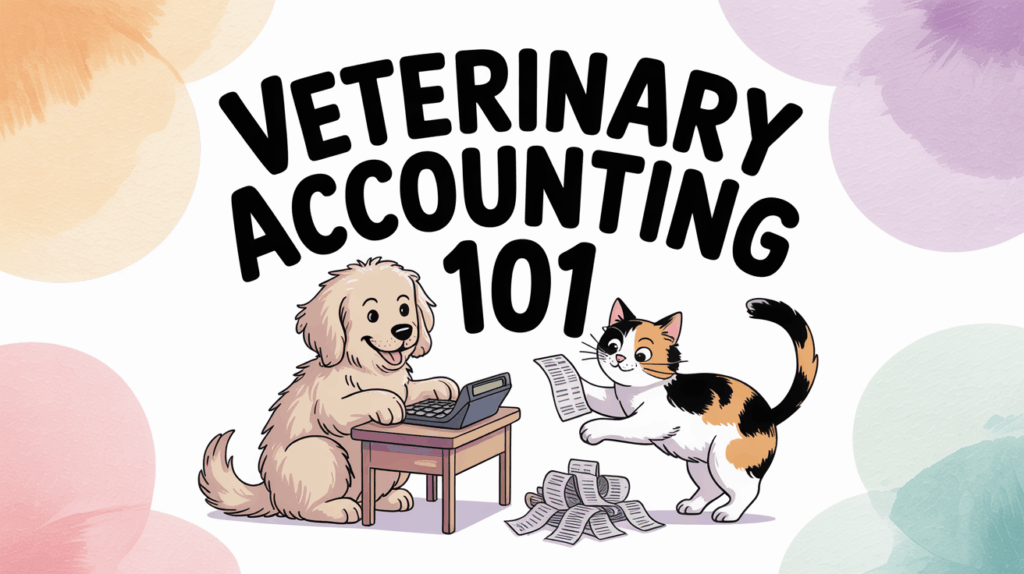
A playful illustration of a dog using a laptop and a cat holding receipts, symbolizing veterinary clinic accounting for pet businesses.
Industry Guide, Pets

Veterinary Clinic Accounting 101: Essential Strategies for a Thriving Practice

Veterinary clinic accounting plays a pivotal role in ensuring the financial health, regulatory compliance, and operational success of veterinary businesses. In the ever-evolving veterinary industry, effective accounting practices are crucial for navigating the complexities of veterinary medicine. From tracking daily expenses and managing accounts to strategic tax filing and financial forecasting, accounting functions are the backbone of a well-managed veterinary practice. By allocating resources wisely and maintaining accurate financial records, practice managers can achieve their financial goals while ensuring compliance during tax season.  This guide explores essential principles, challenges, software solutions, and industry-specific strategies designed to support veterinary professionals in mastering their financial operations, including bookkeeping for veterinarians, payroll management, and preparing profit and loss statements to facilitate informed financial decisions. The Role of Veterinary Clinic Accounting in Business Success In the ever-evolving veterinary sector, effective veterinary clinic accounting is crucial for ensuring a successful veterinary practice. By utilizing specialized accountants for veterinary services, clinics can manage the financial aspects of their operations more efficiently. Proper accounting practices, including veterinary practice bookkeeping, enable clinics to maintain accurate financial data, leading to better veterinary practice management.  A well-structured accounting system not only tracks expenses and revenue but also aids in financial reporting, providing a clear balance sheet that reflects the health of the business. Furthermore, by implementing cloud-based platforms, veterinary practices can enhance their record-keeping and streamline their workflow, resulting in smarter financial decision-making. This tailored approach to managing the financial aspects of a veterinary practice ensures that clinics remain profitable and can allocate capital towards upgrading medical equipment and other essential assets. Regular audits are a vital step in maintaining transparency and ensuring tax compliance for veterinary clinics. These audits not only provide insight into financial performance but also help identify areas for improvement. By understanding financial information, veterinary practices can better manage financial resources and make strategic decisions regarding investments, staffing, and client services, ultimately leading to enhanced profitability. Utilizing expert vet accounting services or a veterinary clinic CPA can further streamline this process, delivering stress-free guidance to ensure that accounting for veterinarians is handled efficiently.  Moreover, tracking revenue by service allows clinics to benchmark their performance and adapt to changing market conditions, providing the security needed for sustainable growth. In an emergency situation, having reliable financial data at hand allows for quick decision-making, reinforcing the trust clients place in your veterinary practice. Choosing the right bookkeepers for veterinary services ensures that your accounting processes are optimized in the cloud, making it easier to access critical financial data anytime, anywhere. Remember, veterinary accounting is unique and requires tailored strategies to thrive. Furthermore, effective accounting allows veterinary clinics to monitor trends in the industry, helping them adapt to changes and maintain competitiveness. By utilizing comprehensive accounting services, clinics can analyze their financial statements and adjust their strategies accordingly, ensuring long-term success within veterinary practice management. Veterinary clinic accounting involves much more than simple data entry. It encompasses a broad range of financial services including accounts receivable, accounts payable, payroll, budgeting, accrual accounting, and tax services. A well-structured accounting department allows veterinary clinics to maintain accurate records, analyze financial performance, and make informed decisions based on up-to-date data. Understanding the core principles of veterinary accounting services helps professionals in the industry stay compliant with evolving tax laws, optimize cash flow, and plan for future growth. With increased competition and the rising cost of veterinary services, understanding the accounting challenges of pet stores and veterinary clinics has never been more critical. Bookkeeping for Pet Businesses and Veterinary Clinics Managing finances is crucial for any business, and veterinary clinics are no exception. Veterinary practice accounting plays a vital role in ensuring that your clinic runs smoothly and efficiently. By implementing effective accounting practices and maintaining detailed bookkeeping records, you can minimize stress and focus on providing the best care for your furry patients while keeping your financial health in check.  Understanding the numbers and having the right form of financial management can significantly enhance your veterinary practice accounting. With the right bookkeeping tasks in place, you can maintain a clear financial picture of your vet clinic, which is essential for making informed decisions and strategic planning. American veterinary practices are increasingly recognizing the importance of professional bookkeeping. By outsourcing these tasks or using specialized accounting software, clinics can save time and reduce the risk of errors. This allows veterinary professionals to dedicate more time to their patients and less time worrying about financial paperwork. Including veterinary bookkeeping in your clinic’s operations not only enhances efficiency but also builds a foundation for growth. Accurate financial records are essential for evaluating performance, budgeting for future expenses, and preparing for audits. In a competitive market, having robust accounting practices can set your practice apart and help you thrive. Bookkeeping for pet businesses and veterinary clinics is foundational to sound financial management. Accurate records of transactions, employee benefits, chart of accounts, and inventory levels are essential for creating a veterinary accounting system that works. Many clinics rely on outsourced bookkeeping services for veterinary practices to reduce overhead, eliminate human error, and free up valuable time. By classifying income and expenses consistently and reconciling accounts monthly, veterinary businesses can ensure their records are always audit-ready. Business Software for Pet Groomers and Veterinary Professionals Technology plays a major role in modern veterinary clinic accounting. Cloud-based business software for pet groomers and veterinary clinics, such as QuickBooks for dog groomers and veterinary bookkeepers, helps automate routine tasks. These tools streamline invoicing, track payments, manage tax filing, and support the creation of separate accounts for different income streams. Veterinary hospitals using QuickBooks or other accounting software can quickly generate financial statements, classify transactions, and evaluate clinic performance in real time. This allows veterinary professionals to respond swiftly to market shifts and client demands. Tax Services and Financial Planning in Veterinary Accounting Comprehensive veterinary clinic accounting also includes advanced tax planning and financial services. Working with a CPA familiar with veterinary business models ensures compliance with federal, state, and local tax regulations. Veterinary tax


People enjoying a vibrant Long Island town center, showcasing the thriving industries in Long Island such as retail, real estate, and tourism.
Industry Guide, Travel

Thriving Industries in Long Island’s Most Populated Towns 2025

Long Island is home to a wide array of thriving industries in Long Island, offering diverse employment opportunities across its towns. From technology and healthcare to tourism and education, the region’s economy is both dynamic and resilient. Tourism: A Vital Economic Driver One of the most prominent thriving industries in Long Island is tourism. Iconic locations like Jones Beach and Montauk Point Lighthouse attract both residents and visitors. Partnerships with Discover Long Island and development agencies continue to promote these attractions. The Long Island Rail Road (LIRR) enhances access, further boosting tourism as a key economic sector. Healthcare: A Cornerstone of Stability The healthcare sector stands out among the thriving industries in Long Island, particularly in towns like Hempstead and Islip. With institutions such as South Nassau Communities Hospital and Brookhaven Memorial Hospital, the region offers both essential services and professional training. Clinics and urgent care centers have proliferated, contributing significantly to job creation. Technology: A Growing Force The technology sector is rapidly expanding and becoming one of the most thriving industries in Long Island. Startups and established companies are planting roots across towns, attracting talent and investment. Areas like Bethpage and Stony Brook are emerging tech hubs. Real Estate & Construction: Building the Future Real estate development and construction are booming as more people relocate for a better quality of life. These sectors are among the thriving industries in Long Island, with projects modernizing infrastructure and addressing housing needs. The construction surge creates jobs for engineers, project managers, and skilled laborers. Education: Developing a Skilled Workforce Education is essential in supporting thriving industries in Long Island. Institutions such as SUNY College at Old Westbury provide the skills needed by local employers. Public and private schools across Hempstead, Brookhaven, and Islip maintain high standards and help build a competent labor force. Retail: The Local Economic Backbone Retail is another key pillar of thriving industries in Long Island. Shopping centers like Roosevelt Field Mall, Patchogue Plaza, and Islip Shopping Center provide jobs and services. Retail not only drives consumer spending but also strengthens local identity and interaction. Cultural and Economic Hubs Towns like Huntington and Riverhead are developing into economic and cultural centers. With institutions like the Cradle of Aviation Museum and UBS Arena, Long Island integrates entertainment into its economic framework. The wine industry also continues to grow, enhancing both tourism and local commerce. Transportation and Connectivity Accessibility boosts many of the thriving industries in Long Island. With JFK, LaGuardia, and MacArthur Airport nearby, and the LIRR linking towns to NYC, transportation is a crucial enabler of economic activity. Local Leadership and Economic Support Organizations like the Long Island Association and local governments play vital roles in supporting thriving industries in Long Island. Through development grants and promotional campaigns, they help towns like Oyster Bay and Ronkonkoma attract and retain businesses. The Road Ahead Looking ahead, emerging trends such as telehealth, e-commerce, sustainable construction, and tech innovation will shape the future of thriving industries in Long Island. Towns like Hempstead, Brookhaven, and Islip will continue to lead this evolution, offering ample opportunities for residents and investors alike. FAQs What are the main economic sectors in Hempstead, Brookhaven, and Islip?Healthcare, education, retail, and construction are the primary thriving industries in these towns. How does the healthcare sector impact job opportunities?It creates numerous roles, from medical assistants to specialists, and is projected to continue growing. What educational institutions contribute to workforce development?Public schools and colleges like SUNY College at Old Westbury play a major role. How does retail support local economies?Retail provides goods, services, and substantial employment, especially in major shopping centers. What trends are shaping construction in Long Island?Modernization projects and sustainability initiatives are driving job growth and development. In conclusion, the thriving industries in Long Island reflect the region’s diverse, community-driven economy. With continued investment, innovation, and collaboration, Long Island remains a vibrant place to live, work, and grow.

Woman attending online therapy session on a laptop in a cozy home setting, representing a remote therapy business.
Uncategorized, Industry Guide, Medical

Remote Therapy Business 2025: Rise of Online Therapists, a Breakthrough

Introduction As the world has adapted to digital solutions, the realm ofmental health has experienced significant transformations, particularly with the rise of remote therapy practices. This comprehensive guide aims to navigate business owners and aspiring therapists through the nuances of starting and scaling a remote therapy business in 2025. Whether you’re a licensed therapistlooking to expand your reach or a newcomer to the field, understanding the landscape, legalities, technology, and marketing strategies is… Understanding the Remote Mental Health Practice Landscape What is Remote Mental Health Practice? Remote mental health practice, commonly known as teletherapy or online therapy, involves providing psychological services via digital platforms. This setup allows therapists to connect with clients through video calls, chat, or emails, offering flexibility and accessibility for both parties. It serves individuals who may face barriers to traditional therapy, such as distance, mobility issues, or time constraints. Operating an online mental health clinic allows therapists to broaden their geographic reach and improve client access. In addition to convenience, remote therapy often provides a level of comfort for clients, allowing them to discuss sensitive issues from the safety of their own environments. As a result, many practitioners haveadopted a hybrid model, combining in-person and remote services to better serve their clients. In fact, the structure of a remote mental health practice has become increasingly recognized as a sustainable model. When launching an online mental health clinic, it’s important to ensure all tools and platforms meet HIPAA compliance standards. Current Trends in Telehealth In addition to convenience, remote therapy often provides a level of comfort for clients, allowing them to discuss sensitive issues from the safety of their own environments. As a result, many practitioners haveadopted a hybrid model, combining in-person and remote services to better serve their clients. In fact, the structure of a remote mental health practice has become increasingly recognized as a sustainable model. When launching an online mental health clinic, it’s important to ensure all tools and platforms meet HIPAA compliance standards. The rise of artificial intelligence and machine learning inhealthcare is also beginning to influence remote therapy. AI-driven chatbots are being used to provide preliminary support and resources, making the initial stages of therapy more accessible. As technology continues to evolve, staying informed about these trends will be vital for therapists aiming to enhance their digital therapy services. Choosing the right software for your onlinemental health clinic will streamline scheduling, billing, and secure communication. The Future of Remote Therapy Services The future of remote therapy services looks promising, with ongoing advancements in technology and growing consumer acceptance. As regulations adapt to the digital age, more therapists will be able to reach clients across state lines, expanding their practice beyond local communities. Furthermore, the integration of virtual reality and augmented reality is anticipated to play a role in creating immersive therapeutic experiences. Your online mental health clinic should provide an intuitive and user-friendly digital experience for both therapists and clients.   In this evolving landscape, therapists must remain flexible and open to embracing new methods and technologies to meet client needs effectively. Continuous learning and adaptation will be key components for thriving in the online therapy business plan of the future.  Expanding your services through an online mental health clinic can also support group sessions and workshops. Legal Setup for Your Remote Therapy Business Choosing the Right Business Structure As you embark on starting a remote therapy business, one of the first steps is determining the business structure that suits your goals. Common options include sole proprietorships, limited liability companies (LLCs), and corporations. A sole proprietorship is straightforward and requires minimal paperwork, but it doesn’t offer liability protection. In contrast, an LLC provides personal liability protection while allowing for flexible management structures. Consulting with a legal professional can help clarify which structure aligns with your business objectives and personal circumstances. This decision will shape aspects like taxes, liability, and operational flexibility. Registering Your Business Once you’ve chosen your business structure, the next step is to register your business with the appropriate local and state authorities. This process often involves filing specific paperwork and may require a fee. Depending on your location, you may need to acquire a business license and a tax identification number. Failure to properly register your business can lead to legal complications, so ensuring compliance with all regulatory requirements is essential. Moreover, maintaining good standing with local authorities will help build credibility with clients. Understanding Licensing Requirements Licensing requirements for therapists vary by state and can significantly impact your ability to practice remotely. Most states require therapists to hold a valid license to provide therapy services, and many have specific regulations regarding teletherapy. Familiarize yourself with the licensing requirements in the states where you intend to offer your services to ensure compliance. Additionally, some states may require you to obtain specific training or certification in telehealth practices. It’s advisable to check with your state’s licensing board to understand the requirements fully and ensure you’re prepared to meet them. Ensuring HIPAA Compliance What is HIPAA and Why is it Important? The Health Insurance Portability and Accountability Act (HIPAA) sets the standard for protecting sensitive patient information in the United States. For therapists operating remotely, ensuring compliance with HIPAA is crucial to maintain client confidentiality and trust. Violating HIPAA regulations can result in substantial fines and damage to your professional reputation. Understanding the implications of HIPAA in a remote setting is vital. It covers how client information is collected, stored, and shared, and mandates that therapists take necessary precautions to safeguard this data. As remote therapy involves the use of technology, ensuring that your practice adheres to these regulations is paramount. Best Practices for Maintaining Client Privacy Maintaining client privacy in a remote therapy business requires implementing stringent protocols. One effective approach is to use secure communication platforms that are designed to protect client data. Always opt for platforms that are HIPAA-compliant to ensure that any video calls, messaging, or file-sharing is secure. Additionally, it’s important to educate clients about privacy measures and what they can expect regarding

A cheerful, bespectacled cartoon pig stands in front of a chalkboard that says "Fund Accounting: Restricted vs. Unrestricted." Below, a row of smaller, colorful piggy banks are lined up. This image visually represents the concept of master fund accounting and its key distinctions.
Industry Guide, Nonprofit

How to Master Fund Accounting for Nonprofits in 2025

Introduction to Fund Accounting Fund accounting is a specialized accounting system used primarily by nonprofit organizations, allowing them to track and manage different streams of funding effectively. This system is essential because nonprofits often receive money with specific stipulations on how it can be used, making it critical to keep these funds separate and properly accounted for. In this guide, we will explore the various aspects of how to master fund accounting, offering insights into its principles, practices, and the importance it holds for nonprofits in maintaining transparency and accountability. Understanding the Importance of Fund Accounting in Nonprofits The ability to master fund accounting lies in its ability to ensure that organizations adhere to donor specifications regarding the use of contributions. Nonprofits often operate with restricted funds designated for particular projects, and fund accounting helps track how these funds are utilized. This creates a system of accountability that fosters trust between the organization and its donors, which is crucial for ongoing support and funding. Moreover, fund accounting supports the strategic allocation of resources within an organization. By clearly documenting income and expenditures for each fund, nonprofits can make informed decisions about budgeting and resource distribution, ultimately enhancing operational efficiency and effectiveness. Key Differences Between Fund Accounting and Traditional Accounting While traditional accounting focuses on profitability and overall financial performance, fund accounting is designed to emphasize the restrictions placed on funds. In traditional accounting, all revenues and expenses are typically pooled together, allowing for an overall view of the organization’s financial health. However, to master fund accounting requires strict segregation of funds based on donor intent, which means each fund must maintain its own set of accounts. This distinction is pivotal in ensuring that nonprofits meet legal and ethical obligations to their donors. Another key difference is the reporting requirements. Fund accounting necessitates more detailed reports, often breaking down income and expenses by individual funds, whereas traditional accounting may only produce consolidated financial statements. This added layer of detail can help nonprofits demonstrate compliance and effectively communicate their financial situation to stakeholders. Master Fund Accounting Principles Defining Restricted vs. Unrestricted Funds In nonprofit fund accounting, funds are categorized into restricted and unrestricted funds. Restricted funds are those that are given with conditions or limitations on how they can be used. For example, a donor may provide a grant specifically for a community program, and these funds must be spent solely on that initiative. Unrestricted funds, on the other hand, can be used at the organization’s discretion for any purpose. Understanding and managing these distinctions is crucial for transparency and compliance. Nonprofits must properly label and track both types of funds to ensure that they are utilized in accordance with donor intent. Mismanagement of restricted funds can lead to regulatory issues and damage trust with donors, making it essential for organizations to have a robust system in place for monitoring and reporting on these resources. The Role of Donor Intent in Fund Allocation Donor intent plays a critical role in fund allocation within nonprofits. Failure to honor the intentions of donors can not only jeopardize funding but also damage relationships and reputations. It is important for nonprofit organizations to develop clear communication channels with their donors to understand their expectations fully. This can include formal agreements outlining how the funds will be used, which can serve as a reference point for fund management. Moreover, nonprofits must ensure that they have the necessary mechanisms to track spending against donor intent. This might involve creating separate accounts or using software solutions that allow for detailed tracking of expenditures, ensuring compliance and fostering trust among stakeholders. Understanding Nonprofit Cash Flow Dynamics A critical aspect to master fund accounting involves understanding the unique cash flow dynamics within nonprofits. Nonprofits typically experience fluctuating cash inflows, often tied to grant cycles, fundraising events, and donor contributions. As a result, organizations must be proficient in forecasting cash flow needs, ensuring that they can meet operational expenses while maintaining compliance with fund restrictions. Effective cash management practices include regularly updating cash flow projections based on actual income and expenditure trends. By maintaining a detailed cash flow statement, nonprofits can better prepare for potential funding shortfalls and take proactive steps to secure additional funding or adjust spending as necessary. Proper Tracking of Funds Establishing a Robust Tracking System To manage funds effectively, nonprofits must establish a robust tracking system. This system should include processes for capturing all donations and expenditures related to each fund. A systematic approach can prevent errors and ensure that funds are used according to donor specifications. Implementing internal controls is also essential to safeguard against mismanagement or fraud. Documentation is key in fund tracking. Every transaction should be supported by receipts, invoices, or contracts, which can provide transparency and accountability. Additionally, regular reconciliation of accounts can help identify discrepancies and ensure that financial records are accurate and up-to-date. Utilizing Accounting Software for Effective Fund Management Incorporating accounting software can significantly enhance a nonprofit’s ability to manage funds. Modern accounting software solutions offer features tailored to master fund accounting, such as customizable reporting, tracking capabilities, and automation of routine tasks. These tools not only help organizations maintain compliance but also provide valuable insights into financial health and performance. When selecting accounting software, nonprofits should consider factors such as scalability, ease of use, and customer support. Training staff on how to use these systems effectively is also crucial to maximize their utility and ensure that everyone involved in fund management understands the workflows and reporting requirements. Best Practices for Documenting Fund Sources Accurately documenting fund sources is critical for maintaining transparency and complying with legal requirements. Nonprofits should establish clear protocols for recording the origin of each donation, including details such as the donor’s name, the amount, any restrictions on the use of the funds, and the date of receipt. Maintaining these records in a centralized database can facilitate easier reporting and auditing. Regular reviews of documentation practices can help identify areas for improvement. Nonprofits may also consider conducting training sessions for

Cartoon dog in a suit with glasses analyzing business valuation charts next to pet grooming products on a desk. Depicting how to value a pet grooming business.
Uncategorized, Grooming, Industry Guide, Pets

How to Value a Pet Grooming Business: Top 5 Factors

Introduction Valuing a pet grooming business is more than just crunching numbers — it’s about understanding what drives revenue, identifying cash flow multiples like SDE and EBITDA, and recognizing how discretionary earnings contribute to the business’s true worth. As small business ownership in the pet services industry continues to rise, learning how to value a pet grooming business has become increasingly important for grooming business owners, valuation professionals, and prospective buyers alike. Whether you are planning to sell your grooming business, buy or sell a boarding business, or simply schedule a free consultation to better understand your store’s financial standing, this guide will walk you through all the valuation methods and multiples commonly used in the pet industry. You’ll gain insights into factors such as the fair market value, demand for pet grooming, the amount of revenue generated, and how to analyze financial statements effectively. We’ll also explore average valuation multiples, differences between low and high valuation ranges, and how market value for a pet grooming business may vary based on location, grooming services offered, and customer loyalty. If you’re a small business owner or a potential buyer wondering how to value a pet grooming business, this article will help you consider the law, personal expenses, prospective buyers’ willingness to pay, and even tips on creating a website to increase your business’s value. Whether you are getting ready to transition to a new owner, consulting with a business appraiser, or just beginning to understand the value of your grooming business, knowing how to value a pet grooming business is key to planning for growth, setting the right sale price, and attracting top dollar from serious buyers. Understanding the Importance of Business Valuation When learning how to value a pet grooming business, it’s essential to recognize that the process extends far beyond financial statements and sale price expectations. Business valuation is a critical step for several reasons. For grooming business owners preparing to sell, an accurate valuation ensures they receive fair compensation for their hard work, brand reputation, and investment in store operations, grooming equipment, and customer loyalty. For those buying into the grooming or boarding industry, understanding the market value of a pet-related business helps avoid overpayment and supports a confident acquisition strategy. Valuing a small grooming or pet training grooming business involves more than just surface-level metrics. It requires evaluating cash flow multiples – SDE, EBITDA, and discretionary earnings, as well as understanding valuation multiples for a pet business. These metrics allow for comparisons across similar businesses and provide insights into whether you’re dealing with a low owner dependency model or a more robust structure with business growth potential. Existing pet grooming business owners can benefit greatly from scheduling a consultation with peak business valuation professionals to uncover areas needing improvement, track financials, and identify ways to position the business for higher valuation multiples in the future. Factors like customer retention, local pet demand, and additional services like pet training can significantly affect the business’s valuation. Whether you are buying or selling, or simply looking to understand your position in the market, knowing how to value a pet grooming business will help you discover the value, understand what buyers are willing to pay, and strategically plan your next move. From calculating multiple range values to reviewing accounting and bookkeeping data, this process empowers you to make informed decisions with confidence. If you’re ready to take the next step, you can start today by scheduling a free consultation with peak business valuation professionals who specialize in the pet services sector. Valuation isn’t just about numbers—it’s about aligning your business’s financial and operational performance with real-world market expectations. Who Should Read This Guide? This guide is tailored for a broad audience that includes business owners who are looking to sell, entrepreneurs interested in entering the pet grooming market, and investors who want to assess potential acquisition opportunities. Additionally, it serves as a resource for financial advisors and accountants who need to provide sound advice to clients in this niche. With the right information and understanding, all parties can benefit from a well-informed valuation process. Financial Metrics for Valuation Key Financial Ratios to Consider When learning how to value a pet grooming business, understanding core financial metrics is essential. These figures not only reflect your grooming business’s financial health but also help establish a credible, data-driven market valuation that both buyers and sellers can rely on. Key indicators such as multiples – SDE and EBITDA are frequently used when evaluating the profitability of a grooming business. These valuation multiples allow professionals to assess how efficiently the business is operating and provide a clear framework for comparing similar businesses in the dog grooming and pet training industries. Another critical component to consider when valuing a pet grooming business is how it performs against standard liquidity ratios like the current ratio, which evaluates whether the business can meet short-term obligations. Combined with metrics like return on investment (ROI) and earnings, these insights help determine whether the business valuation is in line with industry expectations and what prospective buyers might be willing to pay. For sellers, understanding these financial benchmarks helps ensure that you do not undervalue the business, while for buyers, they serve as a safeguard against overpaying. Whether you’re planning for growth, seeking a loan, or preparing for a transition, analyzing these numbers helps uncover the true market value of a pet grooming business. Ultimately, these metrics—when combined with operational insights—can help clarify the full picture. If you’re looking for guidance, business valuation can help identify strengths, uncover hidden potential, and support informed decisions. No matter your role in the transaction, knowing how to value a pet grooming business accurately is key to achieving your financial and strategic goals. Revenue Trends and Profit Margins When valuing a pet grooming business, it’s essential to analyze revenue trends over time. Consistent revenue growth indicates a healthy operation, while fluctuating revenues may be a red flag for potential buyers. Investigating seasonal trends in pet grooming services can also reveal

An overwhelmed office worker sits cross-legged on the floor surrounded by towering stacks of paper and stressed colleagues, symbolizing anxiety and stress in the workplace.
Uncategorized

Mastering Anxiety and Stress in the Workplace: Conquer the Chaos in 2025

In today’s demanding and ever-evolving professional landscape, mental health at work is more important than ever. With tight deadlines, high expectations, and constant digital connectivity, employees often face overwhelming levels of anxiety and stress. This article, “Conquering the Chaos: Managing Anxiety and Stress in the Workplace,” dives into the heart of workplace mental health issues and presents practical solutions that truly work. We explore the root causes of mental health issues caused by the workplace—whether it’s burnout, poor communication, or a lack of short-term support for mental ill health in the workplace. Our guide offers clear strategies for how to cope with mental health in the workplace, including mindfulness practices, time-blocking methods, and communication techniques that encourage a supportive, stigma-free environment. You’ll also discover how to promote good mental health in the workplace by implementing workplace initiatives for mental health and introducing mental health support in the workplace that benefits everyone—from leadership to interns. Curious about what questions to ask about mental health in the workplace? We’ve got you covered. This blog also touches on mental health topics in the workplace that often go unspoken, as well as the benefits of mental health programs in the workplace that are proven to boost morale, engagement, and productivity. Whether you’re an HR professional, a team leader, or simply someone looking to improve your own well-being, this post provides the tools and insights you need to thrive. Learn how to encourage mental health in the workplace and discover why talk about mental health in the workplace isn’t just important—it’s essential. Let’s build a workplace culture where mental wellness is supported, encouraged, and normalized. Understanding Anxiety and Stress in the Workplace The Impact of Workplace Stress on Employees Work stress is more than just a bad day—it’s a growing crisis that affects mental health, workplace morale, and overall productivity. Anxiety and stress in the workplace have become critical issues for organizations across all industries, impacting everything from day-to-day performance to long-term employee retention. According to recent workplace anxiety statistics and mental health issues in the workplace statistics, nearly 1 in 5 employees report experiencing symptoms of anxiety or depression directly related to their job responsibilities. These findings align with broader concerns raised in numerous depression in the workplace articles, highlighting how signs of workplace depression—like withdrawal, fatigue, and lack of engagement—can often go unnoticed or unaddressed. The consequences of unmanaged workplace stress are far-reaching. Increased absenteeism, reduced job satisfaction, and high turnover rates are just the beginning. Left unchecked, anxiety and stress in the workplace can lead to long-term physical health problems, burnout, and a decline in team performance. So, what can organizations do? Start with mental health in the workplace initiatives. These may include wellness programs, mental health days, or open-door policies. Practical mental health in the workplace activities like mindfulness training or stress-reduction workshops have proven effective. Leading companies are also showcasing mental health in the workplace examples and sharing a mental health in the workplace case study or two to build a blueprint for others. HR professionals are taking notice. In fact, why is mental health in the workplace becoming a top priority for HR professionals is a question many are actively addressing through policies, training, and leadership development. They’re learning how to measure mental health in the workplace using surveys, analytics, and feedback tools to ensure that initiatives are data-driven and responsive. Whether you’re building a presentation on mental health in the workplace or just starting the conversation, the message is clear: reducing anxiety and stress in the workplace isn’t optional—it’s essential. If your organization isn’t actively working to reduce work anxiety, it risks losing its most valuable asset: its people. Let’s move beyond awareness and into action—because supporting mental health at work is not just good practice, it’s good business. Identifying the Root Causes of Workplace Stress Understanding the root causes of work stress is essential for promoting a healthier, more sustainable work environment. One of the most pressing issues facing modern employees is the rise of anxiety and stress in the workplace—a challenge that can severely impact productivity, morale, and mental health. Common triggers of anxiety and stress in the workplace include tight deadlines, overwhelming workloads, and unclear job expectations. These elements of work stress are not just productivity killers—they are often direct contributors to serious conditions like anxiety disorder. In fact, unmanaged work stress can lead to chronic tension and emotional exhaustion, both of which are closely linked to the signs of workplace depression. Physical and environmental factors also play a significant role in elevating anxiety and stress in the workplace. Constant noise, lack of privacy, uncomfortable workspaces, and poor lighting all contribute to mental fatigue. When left unaddressed, these stressors can escalate symptoms of anxiety disorder and create a workplace culture of disengagement and burnout. To effectively reduce work anxiety, organizations must take proactive steps—redefining job roles, supporting flexible work schedules, and creating spaces that promote calm and focus. These actions are critical to addressing anxiety and stress in the workplace before it leads to long-term mental health issues. By understanding and mitigating the underlying causes of work stress, employers can break the cycle of anxiety and stress in the workplace, foster resilience, and support long-term employee well-being. Practical Strategies for Managing Anxiety in the Workplace Implementing Mindfulness Techniques In today’s high-pressure work environment, mindfulness is gaining recognition as a powerful and accessible tool for managing anxiety and stress in the workplace. Amid rising work demands, employees are increasingly seeking ways to regain control over their mental space—and mindfulness offers exactly that. Practicing mindfulness means staying fully present and engaged in the moment. This seemingly simple act can have profound benefits in reducing symptoms of stress anxiety, calming the nervous system, and even lessening the severity of generalized anxiety disorder. Whether it’s a 5-minute breathing session, a short desk meditation, or a mindful walk during lunch, these techniques are effective ways to break the cycle of workplace anxiety and improve day-to-day functioning. By encouraging employees to keep a personal anxiety inventory—a reflective journal of triggers and emotional responses—organizations empower them

Split office with humans on one side and AI robots on the other, illustrating automation and the concept of jobs AI will replace
Uncategorized

Jobs AI Will Replace Can Lead to Better Careers – 2025 Update

Introduction The emergence of artificial intelligence (AI) is rapidly reshaping many aspects of daily life, and the world of work is no exception. As we stand on the brink of a new era in employment, it’s vital to explore precisely which jobs AI will replace or significantly transform. From factory floors to customer service desks, AI technologies are streamlining processes, leading to some jobs taken over by AI and other jobs that will be affected by AI. Understanding this shift is crucial for every individual, whether you’re a student contemplating future career paths, a professional seeking to upskill, a business owner strategizing for the future, or a job seeker trying to navigate the changing job landscape. This article delves into the top jobs AI will replace, examining a comprehensive list of jobs that will be replaced by AI and exploring what jobs AI will never replace. We will consider what jobs AI is replacing currently and what jobs AI will replace in 10 years. The goal is to provide insights into how to adapt to remain relevant and competitive as AI is changing the workforce and AI technology develops. We’ll also address the potential for AI to reshape industries and the sheer number of jobs that could be impacted. As AI tools like chatbots and generative AI accelerate adoption, it’s crucial to see which jobs AI will likely replace and how the workforce can adapt to work alongside AI. Top Jobs at Risk of Replacement Cashiers: The Shift to Self-Service One of the most evident shifts in the retail sector is the rise of self-service checkouts. Major retailers have already begun implementing AI-driven systems that allow customers to scan and pay for their items without the need for a human cashier. This trend is not merely a convenience but a significant cost-saving measure for businesses. According to industry reports, self-service kiosks can reduce labor costs significantly, leading to a decline in demand for traditional cashier roles. This clearly illustrates how jobs AI will replace roles requiring routine tasks. As consumers become increasingly accustomed to automated solutions, the role of cashiers is likely to diminish further, making it one of the jobs most likely to be taken over by AI. This transition is indicative of a broader trend towards automation in retail, where customer interactions are being optimized for efficiency and cost-effectiveness. For those in cashier roles, adapting to this change may involve seeking opportunities in customer service or other sectors where human interaction remains vital, as AI cannot replace certain human skills. Data Entry Clerks: Automation of Routine Tasks Data entry tasks, once a staple of administrative roles, are increasingly being automated through AI technologies. Machine learning algorithms now possess the capability to process vast amounts of information with remarkable speed and accuracy, significantly reducing the need for human data entry clerks. As companies strive for efficiency, the demand for individuals who perform routine data entry is expected to decline. This makes data entry one of the prominent jobs AI will replace due to its repetitive nature. However, this shift does not necessarily spell doom for all administrative roles. Instead, it highlights the importance of evolving skill sets. Professionals in this field may find opportunities in data analysis or information management, where human oversight and complex problem-solving skills remain crucial. Understanding AI and its applications can provide a competitive edge in a rapidly changing job market, helping individuals understand how AI can help them in evolving roles, rather than simply identifying the jobs AI will replace. Telemarketers: AI-Powered Sales Calls The telemarketing industry is witnessing a transformative shift as AI voices and AI chatbots take over traditional sales roles. With advancements in natural language processing, AI can now conduct sales calls, engage potential customers, and even handle objections. These developments have made it possible for companies to automate large portions of their outreach efforts, reducing the reliance on human telemarketers. This is a clear example of jobs AI will replace through automated communication. While some may argue that the human touch is irreplaceable in sales, the efficiency and cost-effectiveness of AI-driven solutions are proving hard to ignore. As a result, professionals in telemarketing may need to diversify their skill sets and transition into roles that require emotional intelligence and relationship-building skills, which AI cannot replicate. This shift is happening now, demonstrating that AI is already impacting various sectors. Customer Service Representatives: Chatbots and Virtual Assistants Customer service is another field undergoing significant transformation due to AI integration. Chatbots and virtual assistants are increasingly handling customer inquiries, complaints, and support requests, often providing immediate responses at any time of day. This shift enhances customer satisfaction while simultaneously reducing the need for a large workforce dedicated to customer service. This illustrates how jobs AI will replace routine customer interactions. Despite the rise of AI in customer support, there remains a critical need for human representatives in complex situations that require empathy, nuanced communication, and problem-solving skills. Therefore, professionals in this area should focus on developing these interpersonal skills to remain valuable in an era of automation, understanding that while AI can help with many tasks, it doesn’t mean all jobs AI will replace entirely. Industries Facing the Most Disruption Retail: The Rise of Automated Checkouts The retail industry is perhaps the most visibly affected by the rise of AI. From automated checkouts to AI-enabled inventory management systems, technology is reshaping the shopping experience. Companies are leveraging AI to streamline operations, reduce costs, and enhance customer engagement, leading to a reduced requirement for human staff. As retailers continue to adopt these technologies, job roles in traditional retail settings may diminish, making it one of the sectors where jobs AI will replace human positions at a significant rate. Workers must adapt by acquiring new skills or shifting into roles that emphasize personalization and customer experience, which remain integral to the retail business model. This exemplifies how AI is changing the retail landscape. Manufacturing: Robots on the Assembly Line Manufacturing has long been a sector dominated by automation, but the advent of advanced AI has taken this

Scenic view of Lake George with boats docked under dramatic clouds, symbolizing the seasonal highs and lows of the Lake George economy.
Travel, Industry Guide

2026 Lake George Economy – Current Shocking Trends to Observe

The Lake George economy, once a vibrant summer staple in the Adirondacks local economy, is facing growing financial pressures. Renowned for its scenic charm and thriving small businesses, this New York State tourism hub is now burdened by high costs, seasonal dependency, and shifting traveler behavior. Local businesses—including Lake George restaurants, motels, mini golf attractions, and vacation homes—do well during the summer surge. But as soon as the crowds thin out, many are left scrambling. The off-season economy isn’t enough to keep most operations sustainable year-round. Major attractions like the Lake George Steamboat Company, Million Dollar Beach, and kayaking tours are seeing fewer visitors. These dips in turnout are weakening the broader Lake George tourism industry and creating instability in jobs and investment. In downtown Lake George, the signs of struggle are evident. Business closures and empty storefronts are rising. Rising energy bills, supply costs, and wages are making it harder for businesses—especially in places like Canada Street and Shepard Park—to stay open. To combat the Lake George economic downturn, revitalization efforts are underway. The Downtown Revitalization Initiative (DRI) is funding infrastructure, housing, and streetscape improvements. But many residents question if these investments are enough. Understanding the Economic Landscape of Lake George Overview of Lake George’s Economic Structure Tourism has long anchored the Lake George economy. This picturesque town in the Adirondack Park has historically drawn millions to its lakefront hotels, restaurants, and attractions. Family favorites like the Lake George Steamboat Company, kayaking tours, mini golf, and Million Dollar Beach were once pillars of the local economy. Retail destinations such as the Lake George outlets, shopping centers, and the baking company added to the town’s economic vitality. Today, that model is faltering. The Lake George off-season economy creates major gaps in revenue for vacation homes, pet-friendly hotels, and local eateries. Seasonal closures contribute to growing concerns in the broader upstate NY economic landscape. The tourism decline has triggered widespread Lake George business closures and highlighted long-term vulnerabilities. State and regional leaders—including the Lake George mayor and Governor Kathy Hochul—are responding with capital region winner grants, broadband expansion, and walkable village improvements. DRI funding is targeting the downtown area, waterfront, and public spaces like Shepard Park. The aim is to transform Lake George into a year-round economy supported by remote workers, local residents, and tourists alike. The Impact of Seasonal Dependency on Local Businesses Lake George thrives in the summer but falters in the fall and winter. Businesses around Million Dollar Beach, Lake George resorts, and downtown eateries depend on short seasonal bursts to make ends meet. When the tourism season ends, economic activity slows dramatically. Bakeries, village hotels, and stores feel the pressure. Some attempt to survive by hosting events, targeting locals from Glens Falls and Saratoga, or offering off-season deals. Despite their efforts, it’s not enough. A sustainable Lake George economy needs consistent year-round income. That’s why revitalization along Route 9 and Canada Street is critical. Projects now include developing indoor attractions, expanding white water rafting offerings, and boosting local festivals. To support this shift, regional officials are working to draw more attention to hidden gems like Diamond Point, upgrade infrastructure, and modernize tourism facilities. All are aimed at keeping foot traffic flowing beyond the peak season. Rising Operational Costs and Their Implications Analyzing the Factors Behind Increasing Costs The cost of doing business in Lake George is rising rapidly. From property taxes to utilities, local businesses face higher bills. Lake George village hotels, eateries along Million Dollar Beach, and small inns are all feeling the squeeze. Inflation affects everything—goods, services, and even marketing. Shops in the Lake George shopping district, kayaking companies, and pet-friendly hotels are struggling to maintain quality and affordability. At the same time, labor is a growing concern. Seasonal businesses like the steamboat company and white water rafting centers are competing for a shrinking labor pool. With few affordable housing options, potential workers from Saratoga, Albany, and even Warren County are hard to recruit. This strain is fueling broader economic development talks. State leaders are advocating for DRI funds to support affordable workforce housing, infrastructure upgrades, and redevelopment of underutilized properties. Consequences for Local Businesses and the Community The Lake George economy is in transition. While rising costs and seasonal fluctuations have strained businesses, there’s a clear opportunity for renewal. Thanks to initiatives like 10 million for downtown, Americade events, and new revitalization projects, the Lake George region is looking to reshape itself into a four-season destination. Efforts led by local officials, Governor Hochul, and the Chamber of Commerce aim to modernize infrastructure and invest in broadband, public art, and land and water recreation. For the Lake George town economy to flourish, stakeholders must work together—residents, state leaders, and business owners alike. By addressing off-season challenges, reducing business closures, and supporting vibrant neighborhoods, Lake George can emerge stronger and more resilient. The path ahead requires smart investment, visionary leadership, and community commitment. With these, Lake George can once again be a beacon of success in the New York tourism economy—every month of the year. Evolving Tourist Behaviors and Preferences Shifts in Consumer Spending Patterns Tourist demographics and spending habits in the Lake George economy have shifted significantly, reflecting broader upstate NY economic issues and national trends in tourism. Visitors increasingly seek personalized and immersive experiences, contributing to the rise of experiential tourism. Local attractions like the Lake George steamboat company, Lake George mini golf, and Lake George diamond point have adapted their offerings to meet evolving expectations. Online platforms have reshaped travel planning. For Lake George vacation homes, Lake George pet friendly hotels, and Lake George motels, building a strong digital presence is now critical to attracting guests. Lake George small businesses, especially in hospitality, must capitalize on this transformation to remain competitive in the changing landscape of the Lake George economy. Adapting to Changing Tourist Expectations To improve the Lake George tourism decline, local businesses must respond proactively. Prioritizing unique experiences—such as Lake George kayaking, Lake George white water rafting, and curated dining at Lake George NY restaurants—is key to satisfying today’s discerning

Comic-style illustration of a stressed pet groomer surrounded by invoices, bills, and tax deadline reminders—representing the chaos of poor bookkeeping for pet businesses.
Industry Guide, Pets

Bookkeeping for Pet Businesses: 10 Critical Fixes

Importance of Clear Financial Boundaries When you’re running a pet business, maintaining a clear boundary between your personal and business finances is more than just good advice—it’s essential for survival. Many passionate pet professionals unintentionally blur the lines, which can lead to costly mistakes. This article breaks down the most common bookkeeping mistakes pet groomers make, with a spotlight on why effective bookkeeping for pet businesses is critical to long-term success. One major pitfall? Mixing personal and business expenses. Without clean separation, you risk muddling your financial records, making it harder to determine profit margins or track business running smoothly. This confusion often leads to errors in tax reporting and missed income tax deductions—an issue that can invite unnecessary scrutiny or even audits. Poor bookkeeping for pet businesses practices also create problems when seeking funding. If you’re trying to get a loan to buy a pet grooming business, inconsistent records and unclear cash flow can deter lenders. As one dog grooming business owner learned, using business accounts to pay for personal bills led to a shortfall in funds for essential accounting needs like payroll and administrative supplies. Another overlooked area is managing recurring costs—like dog grooming business insurance costs, energy rates for dog grooming businesses, or business software for pet groomers. Without strong accountant knowledge or the support of a specialized system, these can spiral out of control. Implementing compliant, specialized accounting tools helps reduce liability and keeps your business remains profitable. Investing in bookkeeping for pet businesses empowers you to track profitability, budget for growth, and remain compliant with tax planning regulations. Using intuitive tools or consulting with a professional familiar with the accounting challenges of pet stores can help avoid these errors and ensure your pet business accounting is on solid ground. Ultimately, knowledge in accounting gives pet business owners the skills and confidence to make informed decisions. By separating finances, leveraging proper tools, and understanding the unique financial needs of your industry, you set the stage for a thriving, scalable, and resilient pet business. Not Using Industry Software: Missing Out on Efficiency In today’s digital age, bookkeeping for pet businesses has moved far beyond paper ledgers and handwritten invoices. Yet many pet groomers and business owners still rely on outdated systems, unaware of how much time and revenue they’re losing in the process. Failing to modernize your accounting methods can lead to errors, missed deductions, and unnecessary office costs—all of which affect your bottom line and the long-term ability to support your business. Investing in industry-specific business software for pet groomers, such as QuickBooks for dog groomers, is no longer optional—it’s essential. These platforms allow you to automate routine tasks like invoicing, expense categorization, and appointment tracking. You can even integrate grooming appointment schedules with payment systems, making it easier for clients to pay and reducing your administrative burden. Automated systems also help you maintain proper accounting knowledge, improving your ability to generate real-time financial reports. These tools offer built-in tax planning features to simplify filing and ensure compliance with tax laws for dog grooming small businesses. Instead of relying on guesswork, you’ll have a clear, digital trail that reflects your business’s true health. What’s more, software designed specifically for pet businesses often includes utilities that help manage shampoo inventory, monitor service history, and streamline regular grooming keeps. These features are especially valuable for maintaining client satisfaction and ensuring your grooming business remains profitable. Ultimately, embracing modern tools enhances your skills and knowledge as a pet business owner, helping you meet your obligations while giving you more time to focus on your clients. Whether you’re learning accounting step-by-step or already familiar with accountant basic knowledge, digital bookkeeping gives you a serious edge in running a dog grooming business efficiently and successfully. Ignoring Pet Industry Tax Deductions: A Costly Mistake One of the most common and costly grooming mistakes pet business owners make is overlooking the tax deductions they’re legally entitled to. Whether you’re just starting your bookkeeping for pet businesses or running a well-established grooming operation, ignoring allowable expenses can eat into your financial health and overall profitability. If you want to grow your accounting for dog groomers toolkit, it’s essential to learn how to value a pet grooming business not just in terms of income, but also in terms of tax savings. Every grooming product, office cost, and supply you purchase for business use might qualify as a deductible expense. Understanding these rules isn’t just good practice—it’s key to sustaining and scaling your business. Common Deductions for Pet Businesses Include: Supplies and Inventory: From shampoo and leashes to pet food and crates. Equipment: Grooming tables, clippers, dryers, and other tools. Marketing and Advertising: Websites, digital ads, consultations, and local flyers. Home Office Deduction: If you’re grooming from home, a portion of your rent, utilities, or mortgage may qualify. Vehicle Use: Mileage and maintenance for business-related trips. Maintaining strong records throughout the year is foundational to maximizing deductions. A clear consultation with a pet-savvy tax advisor can help you determine what is allowable under current tax laws. They can also guide you on how to learn accounting step by step or help integrate tools that support your goals for better recordkeeping. With careful planning and the right professional support, pet grooming professionals can reduce their tax liability, optimize their cash flow, and feel confident in the financial health of their operations. It all starts with recognizing that the right bookkeeping for pet businesses habits are just as important as your grooming skills. Failing to Track Inventory: Keeping Your Business Healthy Effective inventory management is a foundational skill when you’re learning how to run your business efficiently—especially in the pet grooming industry. Whether you’re just starting out or following tips for buying a pet grooming business, overlooking inventory control can have serious financial consequences. From stock shortages to expired products, poor inventory practices can lead to lost revenue and customer dissatisfaction. Understanding how to learn accounting step-by-step can significantly support your inventory efforts. When you grasp the basics of expense tracking and cost accounting,

Young person debating their future while reflecting on the accounting career outlook in 2025, shown through a mirror image of themselves as a CPA.
Uncategorized

Accounting Career Outlook: An Exciting Future Awaits in 2025

In 2025, the accounting career outlook is at the center of a national conversation as students, educators, and professionals reflect on the evolving demands of the workforce. The accounting profession crisis has been driven by several compounding factors, including a growing accounting talent shortage, a decline in accounting graduates, and concerns about the future of public accounting and audit careers. Reports indicate that fewer people are studying accounting, with many questioning whether an accounting degree still offers a strong return on investment. The integration of automation in accounting and the emergence of AI technologies have also fueled debate, leading some to ask, “Is accounting a dying profession?” or even, “Is accounting going extinct?” However, despite these uncertainties, the demand for skilled talent in financial reporting, management accounting, and specialized areas like enrolling in accounting programs remains steady—especially for those with adaptive, tech-forward skill sets. We’ll examine the accounting education pipeline, the role of career goals in shaping long-term success, and how the finance and accounting hiring market is adjusting to both talent shortages and automation. Whether you’re a student weighing your options for a career in accounting or a mid-career professional exploring your next step, understanding the accounting career outlook is essential. The employment outlook for accountants shows a promising trajectory, with the demand for accountants in the future expected to rise due to an increasing need to replace workers exiting the labor force.  The accountant job outlook reflects a broader trend in the accounting field, where accounting jobs future projections indicate numerous openings for accountants and auditors. As technology evolves, the future of the accounting profession will also require adaptability and new skills, making it critical for both new graduates and seasoned professionals to stay informed about the accounting job outlook 2025. This understanding will help you make informed, strategic decisions in today’s competitive labor market. Current Trends in the Accounting Field The accounting career outlook in 2025 continues to spark serious discussion across the industry. A growing accounting profession crisis is emerging, marked by the decline in CPA candidates, a steep accounting major dropping trend, and clear evidence that fewer people are studying accounting. These issues contribute directly to the challenging hiring environment, making it increasingly difficult to look for candidates with the necessary qualifications. Despite this, the accounting career outlook remains robust, with high demand for skilled finance and accounting professionals. This is especially true in areas such as financial reporting, decision-making, and the integration of emerging technologies. According to the BLS and various national labor studies, the employment of accountants and auditors may experience growth faster than the average for all occupations. Employers are continuously seeking top-tier accounting professionals to fill critical roles in the finance and accounting sectors, reflecting a positive job market and promising future accounting careers. As businesses evolve, the accounting field outlook indicates that those with a bachelor’s degree in accounting and relevant work experience will have the best opportunities to thrive. However, attracting and retaining top finance and accounting talent requires more than competitive pay. In a post-pandemic world, candidates now prioritize work-life balance, flexible roles, and opportunities for growth in accounting and finance sectors. To enhance the accountant career outlook, today’s firms must streamline their hiring processes and offer a more compelling value proposition that aligns with the future of accounting careers. Candidates are increasingly interested in positions that provide not only a competitive salary for accountants but also the chance to specialize, such as in forensic accounting or tax accounting.  As the CPA career outlook for 2025 indicates, many accountants seek environments where they can work from home while developing their accounting experience. Firms that recognize these trends will be better positioned to attract candidates with at least a bachelor’s degree, especially as states require CPA candidates to complete 150 semester hours of college coursework to be licensed. Maintaining a strong accountant outlook is essential for firms aiming to improve job prospects and ensure a stable financial future. The shift in the accounting career outlook raises important questions about the long-term sustainability of the profession. While some still view accounting as a stable career, others fear that it is no longer aligned with modern expectations. As automation continues to reshape workflows, successful accounting professionals must bring a mix of certified public accountant credentials, fluency with accounting software, and adaptive thinking to the table. Whether you’re an educator analyzing the pipeline of new talent, a firm adjusting to a shrinking applicant pool, or a student evaluating your future, understanding today’s accounting career outlook is critical. We’ll continue to explore how firms can respond to the demand for skilled talent, and how future professionals can thrive in this evolving space. Reasons for the Decline One of the most pressing challenges affecting the accounting career outlook in 2025 is widespread accounting burnout, particularly among students and entry-level professionals. The accounting student decline continues to be fueled by perceptions that accounting lacks creativity and flexibility—often viewed as a profession driven purely by rules and financial data, with limited room for innovation. According to the Bureau of Labor Statistics, while the demand for accountants and auditors remains stable, many students are turning away from the profession, leading to fewer people studying accounting and a tightening talent pipeline. At the same time, the rise of AI replacing accounting roles and broader trends in automation have introduced new pressures—and possibilities. Some worry that automation will eliminate traditional positions, particularly in routine reporting, while others recognize a growing need for professionals who can interpret data, contribute to decision-making, and manage emerging technologies. For those willing to adapt, these changes present new avenues within fully remote roles, certified management accountant paths, and advanced credentialing such as becoming a certified public accountant. Despite the challenging hiring environment, businesses in the U.S. continue to seek candidates who are tech-savvy and strategic thinkers. The accountant future outlook remains strong as many public accounting firms are actively recruiting to fill vacant or newly created accounting positions that require a broader mix of competencies. According to recent demand for skilled talent reports, the future

Graphic representation of the accounting treatment of tariffs in Canada, featuring a shipping container emerging from a laptop, U.S. and Canadian flags, dollar coins, and maple leaves to illustrate cross-border trade complexity.
Advanced Accounting

2026 Accounting Treatment of Tariffs: Win Canada

Introduction The recent wave of tariffs imposed by the United States has disrupted cross-border trade and added complexity to the accounting treatment of tariffs in Canada. For Canadian businesses importing goods and services, these new tariffs are more than just a line item—they impact everything from inventory valuation and duty classification to financial reporting and strategic forecasting. As import tariffs and retaliatory tariffs reshape the landscape, understanding the correct accounting treatment of tariffs in Canada has become essential for compliance, cost control, and profitability. This article breaks down how Canadian manufacturers, retailers, and importers are adjusting to tariff on imports, dealing with customs duties accounting, and rethinking how tariffs apply under Canadian GAAP. Whether you’re tracking the tariff on Canadian steel, managing cost of goods sold tariffs, or reconciling CBSA tariff reporting requirements, a clear understanding of tariff-related accounting is critical. Dive in as we examine the historical context, current challenges, and evolving strategies shaping the accounting treatment of tariffs in Canada today. Historical Context of US-Canada Trade Relations Key Milestones in Trade Agreements The trade relationship between the United States and Canada has long influenced the accounting treatment of tariffs in Canada, particularly for companies navigating cross-border accounting Canada US rules. From the original Canada US Free Trade Agreement to the transition into NAFTA and now the USMCA, these shifts have redefined how businesses handle Canadian import duty accounting, monitor reciprocal tariff impacts, and maintain financial transparency. Each trade pact reduced barriers and expanded trade, but with evolving agreements have come more complex Canadian tariff accounting rules, making compliance and cost allocation a growing concern for importers. Understanding this history is essential as new tariffs from the United States continue to challenge previously stable Canadian exports, forcing businesses to rethink their approach to customs duties accounting Canada and realign with updated trade and tax reporting standards. These agreements emphasize the deep interdependence between the US and Canadian economies, especially in areas like Canadian tariffs, import cost allocation Canada, and cross-border accounting Canada US. While trade partnerships such as NAFTA and USMCA have fostered economic cooperation, they have also been accompanied by trade tensions and reciprocal tariff disputes. Recent tariff changes imposed by the US have disrupted the usual flow of Canadian imports and exports, prompting companies to revisit their customs duties accounting Canada and Canadian tariff accounting rules. For accountants and importers, understanding this background is key to accurately applying the accounting treatment of tariffs in Canada and anticipating how these shifts could affect cost reporting and financial compliance moving forward. Previous Tariffs and Their Impact on Trade Dynamics Prior to the current tariffs, trade between the United States and Canada had generally been stable. Yet, earlier trade actions, including the tariffs on Canadian steel and aluminum in 2018, exposed the underlying volatility in cross-border trade. These tariffs increased costs for Canadian exporters, disrupted pricing structures, and added pressure to small business accounting practices. As a result, Canadian businesses became cautious, delaying investments and scaling back growth plans. The trade war and shifting policies have emphasized how tariffs affect small business accounting and underscored the need for accurate financial reporting for Canadian importers. The accounting treatment of tariffs in Canada has become increasingly important as Canadian businesses face ongoing trade tensions and policy shifts. With tariffs on Canadian businesses—particularly those involving steel and aluminum—still fresh in memory, small business owners and financial professionals must revisit how to account for import tariffs and adjust their tariff expense treatment under GAAP. Whether the tariffs are imposed by Canada or arise from goods imported from the United States, maintaining financial reporting for Canadian importers that reflects both duty obligations and inventory costing is vital. As the US market continues to evolve, these proposed tariffs create uncertainty for Canadian businesses, emphasizing the importance of up-to-date and compliant accounting systems that support both resilience and growth. Current Landscape: Recent US Tariffs Details of the Tariffs Imposed In response to tariffs imposed by the U.S. government on key imports like metals, technology goods, and agricultural products, Canadian businesses must now adjust not only their pricing strategies but also their accounting treatment of tariffs in Canada. These measures, often introduced under the banner of protecting domestic industries or national security, have created significant trade tensions. As Canadian exporters navigate this evolving environment, there is growing pressure to adapt inventory costing models, enhance tariff reconciliation processes, and ensure full U.S.–Canada trade compliance. For firms working to help businesses remain competitive despite uncertainty for Canadian businesses, revisiting their internal systems is no longer optional—it is essential. The complexities of these tariffs are exacerbated by their varying rates and application criteria, which can differ significantly across sectors. This unpredictability challenges Canadian firms that must navigate these regulations while remaining competitive in the U.S. market. The complexities of tariffs imposed by the United States, including those on steel and aluminum, continue to pose accounting and operational challenges for Canadian businesses. With rates and enforcement varying across sectors, companies must adapt quickly to remain competitive. The accounting treatment of tariffs in Canada is under pressure to evolve, particularly as businesses try to stay compliant with US Canada trade compliance rules and manage the trade war Canada accounting impact. This volatile landscape demands advanced strategies for tariffs and inventory costing and forces importers to evaluate their entire cost structure. Industries Most Affected The sectors most impacted by these tariffs include manufacturing, agriculture, and technology. For example, tariffs on Canadian goods have raised prices for Canadian agricultural producers, decreasing demand for Canadian exports in the us market. Many have had to pivot to alternative buyers or adjust offerings. Manufacturers face increased costs and must address accounting treatment of tariffs in Canada to stay compliant. In the tech industry, disruptions in global supply chains are prompting reviews of tariffs and inventory costing and heightened focus on us Canada trade compliance to maintain accuracy in reporting and operational efficiency. The widespread impact of tariffs imposed by Canada and the United States on industries like manufacturing, agriculture, and technology underscores the urgent need for a strong accounting

A vibrant seaside tourist gift shop with handmade products and a point-of-sale system, symbolizing small business and tourist shop bookkeeping
Industry Guide, Travel

2026 Tourist Shop Bookkeeping: Use these Pro Tips Now

Introduction In the dynamic world of tourism, small gift shops and tourist stores do much more than sell souvenirs. They capture the local charm and cultural richness of their destinations, offering travelers handcrafted goods and regional specialties that create lasting memories. But running a successful shop takes more than great merchandise—it requires sound financial practices. This is where tourist shop bookkeeping becomes essential. Accurate records, timely tax filings, and well-structured financial planning help owners manage cash flow, track seasonal trends, and make informed decisions. Whether you are a CPA, bookkeeper, or enrolled agent supporting tourism businesses, organized books and consistent financial reviews can reduce risk and support long-term growth. By applying bookkeeping best practices for tourist stores, owners gain valuable insight into their operations and can confidently respond to changes in customer demand or market conditions. This article explores how tailored bookkeeping solutions help small tourism businesses stay competitive and thrive in an evolving travel economy. Importance of Accurate Records Understanding Financial Health Tourist shop bookkeeping plays a key role in helping business owners manage their expenses and income effectively. By keeping up to date records of financial transactions such as daily sales, vendor payments, and payroll, owners gain a reliable foundation for decision making. Well-organized books help identify trends, monitor seasonal fluctuations, and provide a clear picture of how the business is performing overall. Proper tourist shop bookkeeping also ensures transparency. It allows owners to recognize which parts of the business are thriving and which need improvement. For example, tracking sales tax in souvenir shops is a critical compliance task that is often missed without a clear bookkeeping system. Having access to historical data makes it easier to meet tax return needs and reduces the risk of costly errors. These insights are even more powerful when supported by accounting services tailored to small retailers or guided by an experienced EA or CPA. Moreover, smart tourist shop bookkeeping includes tools for inventory tracking in a tourist gift shop, managing receipt records, and evaluating product-level profitability. Whether you are reviewing a business activity statement, adjusting for seasonal changes, or building a budgeting plan, maintaining accurate and up to date books helps you stay in control of your operations. Incorporating professional accounting practices into your tourist shop bookkeeping process does more than support day to day activity. It empowers you to plan ahead, maintain compliance, and discover opportunities for growth, all while avoiding the stress of financial disorganization. Compliance with Regulations Compliance with financial regulations is another critical aspect of tourist shop bookkeeping. Local and national tax laws require that businesses maintain accurate records for taxation purposes. Failure to comply can lead to penalties, audits, and potential damage to the business’s reputation. By keeping meticulous records, shop owners can easily produce the necessary documentation during tax season, ensuring compliance and reducing the likelihood of audits. Moreover, maintaining accurate records contributes to regulatory compliance beyond tax obligations. Many jurisdictions have specific requirements regarding consumer protection laws, employee wages, and licensing. A well-organized tourist shop bookkeeping system can help ensure that all legal requirements are met, providing peace of mind for business owners and contributing to a stable operational environment. Benefits of Financial Transparency Building Customer Trust Tourist shop bookkeeping does more than keep your numbers in order. It builds trust, strengthens your brand, and supports daily operations. In the tourism industry, travelers are more likely to support businesses that are transparent, fair, and professional. When your books are well maintained and up to date, you can demonstrate clear pricing, ethical practices, and honest business operations. This kind of transparency helps foster customer loyalty and often results in positive reviews and word of mouth referrals. One of the most overlooked benefits of tourist shop bookkeeping is how it helps you categorize and track spending. Understanding expense categories unique to tourist shops, such as seasonal merchandise, promotional giveaways, and packaging for fragile items, gives owners a clearer picture of profitability. It also allows for more accurate reporting when addressing tax obligations or preparing a business activity statement. Tourist shop bookkeeping also makes it easier to respond to customer questions about pricing, availability, and even employee wages. With clean records and access to financial data from anywhere, your team can deliver reliable answers in real time. Whether you are using meru accounting offers, a virtual private network for secure connections, or working directly with accounting services tailored to the tourism industry, maintaining accurate data builds confidence across the board.   Ultimately, good tourist shop bookkeeping creates a ripple effect. It supports transparency, boosts your reputation, and simplifies the intricate details of daily operations. In a competitive market shaped by trust and experience, clean books can be just as valuable as a charming storefront. Attracting Investors and Partnerships Tourist shop bookkeeping can play a major role in attracting investors and building strategic partnerships. Investors are far more likely to support businesses that demonstrate accurate financial records and a strong understanding of their value in the marketplace. Well organized tourist shop bookkeeping helps you present your business clearly, with data that reflects the real value of sales, cost controls, and long term potential. These insights allow potential partners to assess the strength of your operations and make informed decisions about collaboration or investment. Transparent tourist shop bookkeeping also opens doors to better relationships with local artisans and suppliers. By showing financial stability and clarity, shop owners can negotiate more favorable terms for inventory, delivery, and payment. In some cases, proper bookkeeping practices even help small stores secure exclusive deals or priority orders, which can directly improve the customer experience. Incorporating consistent bookkeeping services, staying up to date, and maintaining accurate financial records are more than internal tools—they are essential strategies for growth. Whether you are tracking deductions, managing items through platforms like TradeGecko, or using a VPN to access your books remotely, tourist shop bookkeeping supports informed decisions and shows your commitment to professionalism. At its core, tourist shop bookkeeping is not just about keeping track of numbers. It is about building trust, proving

Scroll to Top