
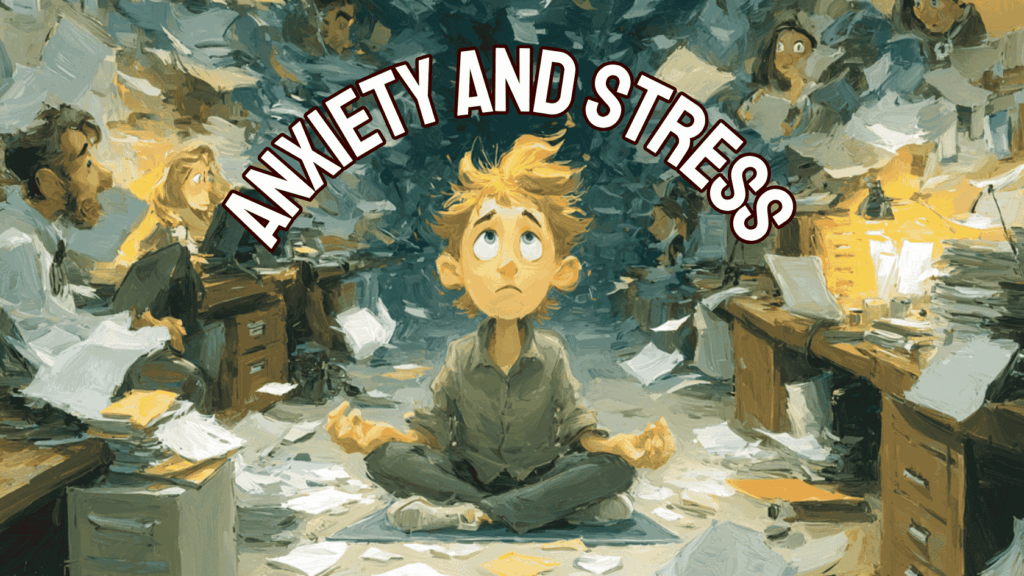

In today’s demanding and ever-evolving professional landscape, mental health at work is more important than ever. With tight deadlines, high expectations, and constant digital connectivity, employees often face overwhelming levels of anxiety and stress. This article, “Conquering the Chaos: Managing Anxiety and Stress in the Workplace,” dives into the heart of workplace mental health issues and presents practical solutions that truly work.
We explore the root causes of mental health issues caused by the workplace—whether it’s burnout, poor communication, or a lack of short-term support for mental ill health in the workplace. Our guide offers clear strategies for how to cope with mental health in the workplace, including mindfulness practices, time-blocking methods, and communication techniques that encourage a supportive, stigma-free environment.
You’ll also discover how to promote good mental health in the workplace by implementing workplace initiatives for mental health and introducing mental health support in the workplace that benefits everyone—from leadership to interns. Curious about what questions to ask about mental health in the workplace? We’ve got you covered. This blog also touches on mental health topics in the workplace that often go unspoken, as well as the benefits of mental health programs in the workplace that are proven to boost morale, engagement, and productivity.
Whether you’re an HR professional, a team leader, or simply someone looking to improve your own well-being, this post provides the tools and insights you need to thrive. Learn how to encourage mental health in the workplace and discover why talk about mental health in the workplace isn’t just important—it’s essential.
Let’s build a workplace culture where mental wellness is supported, encouraged, and normalized.
Understanding Anxiety and Stress in the Workplace
The Impact of Workplace Stress on Employees
Work stress is more than just a bad day—it’s a growing crisis that affects mental health, workplace morale, and overall productivity. Anxiety and stress in the workplace have become critical issues for organizations across all industries, impacting everything from day-to-day performance to long-term employee retention.
According to recent workplace anxiety statistics and mental health issues in the workplace statistics, nearly 1 in 5 employees report experiencing symptoms of anxiety or depression directly related to their job responsibilities. These findings align with broader concerns raised in numerous depression in the workplace articles, highlighting how signs of workplace depression—like withdrawal, fatigue, and lack of engagement—can often go unnoticed or unaddressed.
The consequences of unmanaged workplace stress are far-reaching. Increased absenteeism, reduced job satisfaction, and high turnover rates are just the beginning. Left unchecked, anxiety and stress in the workplace can lead to long-term physical health problems, burnout, and a decline in team performance.
So, what can organizations do?
Start with mental health in the workplace initiatives. These may include wellness programs, mental health days, or open-door policies. Practical mental health in the workplace activities like mindfulness training or stress-reduction workshops have proven effective. Leading companies are also showcasing mental health in the workplace examples and sharing a mental health in the workplace case study or two to build a blueprint for others.
HR professionals are taking notice. In fact, why is mental health in the workplace becoming a top priority for HR professionals is a question many are actively addressing through policies, training, and leadership development. They’re learning how to measure mental health in the workplace using surveys, analytics, and feedback tools to ensure that initiatives are data-driven and responsive.
Whether you’re building a presentation on mental health in the workplace or just starting the conversation, the message is clear: reducing anxiety and stress in the workplace isn’t optional—it’s essential. If your organization isn’t actively working to reduce work anxiety, it risks losing its most valuable asset: its people.
Let’s move beyond awareness and into action—because supporting mental health at work is not just good practice, it’s good business.
Identifying the Root Causes of Workplace Stress
Understanding the root causes of work stress is essential for promoting a healthier, more sustainable work environment. One of the most pressing issues facing modern employees is the rise of anxiety and stress in the workplace—a challenge that can severely impact productivity, morale, and mental health.
Common triggers of anxiety and stress in the workplace include tight deadlines, overwhelming workloads, and unclear job expectations. These elements of work stress are not just productivity killers—they are often direct contributors to serious conditions like anxiety disorder. In fact, unmanaged work stress can lead to chronic tension and emotional exhaustion, both of which are closely linked to the signs of workplace depression.
Physical and environmental factors also play a significant role in elevating anxiety and stress in the workplace. Constant noise, lack of privacy, uncomfortable workspaces, and poor lighting all contribute to mental fatigue. When left unaddressed, these stressors can escalate symptoms of anxiety disorder and create a workplace culture of disengagement and burnout.
To effectively reduce work anxiety, organizations must take proactive steps—redefining job roles, supporting flexible work schedules, and creating spaces that promote calm and focus. These actions are critical to addressing anxiety and stress in the workplace before it leads to long-term mental health issues.
By understanding and mitigating the underlying causes of work stress, employers can break the cycle of anxiety and stress in the workplace, foster resilience, and support long-term employee well-being.
Practical Strategies for Managing Anxiety in the Workplace
Implementing Mindfulness Techniques
In today’s high-pressure work environment, mindfulness is gaining recognition as a powerful and accessible tool for managing anxiety and stress in the workplace. Amid rising work demands, employees are increasingly seeking ways to regain control over their mental space—and mindfulness offers exactly that.
Practicing mindfulness means staying fully present and engaged in the moment. This seemingly simple act can have profound benefits in reducing symptoms of stress anxiety, calming the nervous system, and even lessening the severity of generalized anxiety disorder. Whether it’s a 5-minute breathing session, a short desk meditation, or a mindful walk during lunch, these techniques are effective ways to break the cycle of workplace anxiety and improve day-to-day functioning.
By encouraging employees to keep a personal anxiety inventory—a reflective journal of triggers and emotional responses—organizations empower them to better understand how work demands are affecting their mental health. These self-checks can help detect early signs of anxiety disorder and promote healthier coping mechanisms.
Moreover, integrating mindfulness into the company culture doesn’t just help individuals—it supports a healthier, more focused, and resilient workforce overall. When leaders model mindfulness as a response to anxiety and stress in the workplace, it sends a powerful message: mental wellness is not only acknowledged, but prioritized.
As part of a broader effort to manage work demands and prevent generalized anxiety disorder, mindfulness creates space for calm, clarity, and connection in even the most chaotic work environments.
Enhancing Time Management Skills
One of the most practical ways to address anxiety and stress in the workplace is by improving time management. When employees are empowered to organize their schedules and meet work demands efficiently, they are less likely to feel overwhelmed or emotionally drained. This can significantly reduce the frequency and intensity of mental health workplace issues, including burnout, absenteeism, and chronic fatigue.
Tools such as to-do lists, calendar blocking, and project management apps allow employees to prioritize tasks with clarity, helping them stay focused and avoid the chaos that contributes to anxiety and stress in the workplace.
Employers should also consider offering targeted training on time management as part of broader wellness initiatives. These programs not only increase productivity but also reinforce why mental health first aid is important in the workplace—by equipping staff with the skills to recognize and manage early signs of emotional strain before they escalate into more serious conditions.
By promoting time management and mental health awareness together, organizations create a healthier, more balanced, and more resilient workforce.
Fostering a Supportive Work Culture
The Role of Open Communication in Reducing Anxiety
Transparent communication between leadership and employees plays a critical role in addressing anxiety and stress in the workplace and promoting mental health work safety. When employees feel psychologically safe to express concerns, they are more likely to seek help and less likely to suffer in silence.
Employers can foster a culture of openness by conducting regular check-ins, hosting mental health talks, and using anonymous feedback tools. These practices not only encourage early intervention but also highlight why mental health awareness in the workplace is important. Open dialogue can uncover patterns of burnout or even instances of mental health harassment in the workplace, which often go unreported in closed-off cultures.
Another effective strategy is to empower mental health champions in the workplace—individuals trained to advocate for mental wellness, listen with empathy, and serve as bridges between staff and leadership. These champions help reinforce mental health resilience in the workplace by creating a trusted support network where employees feel seen, heard, and supported.
By prioritizing communication and awareness, organizations build stronger teams and protect the psychological well-being of their workforce.
Promoting Employee Well-Being Initiatives
Wellness programs are a powerful way to reduce workplace anxiety and help employees better manage rising work demands. These programs are most effective when they take a holistic approach—providing not only fitness and nutrition support but also tools to address stress anxiety and emotional fatigue.
Successful initiatives often include workshops on identifying symptoms of generalized anxiety disorder, training in mental health first aid, and group discussions designed to raise mental health awareness in the workplace. Employees also benefit from learning how to build a personal anxiety inventory—a reflection tool that helps them track their moods, triggers, and coping strategies in real time.
By giving employees access to structured resources and spaces for reflection, wellness programs offer more than just temporary relief from workplace anxiety. They promote long-term resilience, help individuals recognize early signs of generalized anxiety disorder, and empower teams to collectively manage work demands more effectively.
When employees are supported in this way, they’re more likely to engage fully, collaborate with confidence, and contribute to a workplace culture that prioritizes mental well-being.
Conclusion
The Importance of Continuous Support and Resources
In conclusion, managing anxiety and stress in the workplace requires a multifaceted approach. Employers must prioritize mental health in the workplace by implementing strategies such as mindfulness techniques, enhancing time management skills, and fostering a supportive work culture. Continuous support and resources are essential for both employers and employees to navigate mental health issues effectively. By investing in mental wellness programs at work and promoting mental health awareness in the office, organizations can create a healthier, more productive work environment. For further learning and support, employers can access resources from the Government of Canada on mental health in the workplace and explore mental health accommodations in the workplace Ontario.