
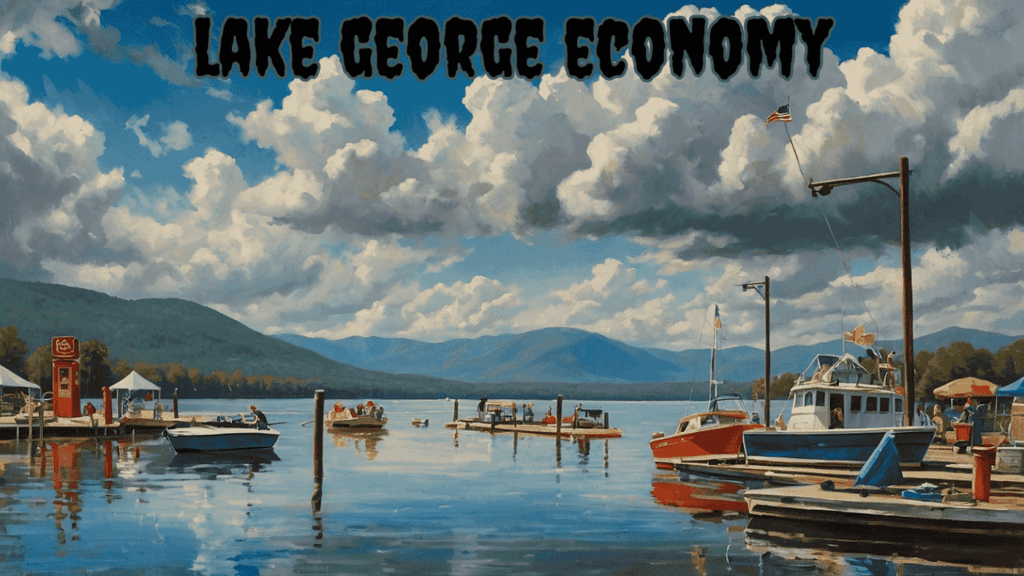

The Lake George economy, once a vibrant summer staple in the Adirondacks local economy, is facing growing financial pressures. Renowned for its scenic charm and thriving small businesses, this New York State tourism hub is now burdened by high costs, seasonal dependency, and shifting traveler behavior.
Local businesses—including Lake George restaurants, motels, mini golf attractions, and vacation homes—do well during the summer surge. But as soon as the crowds thin out, many are left scrambling. The off-season economy isn’t enough to keep most operations sustainable year-round.
Major attractions like the Lake George Steamboat Company, Million Dollar Beach, and kayaking tours are seeing fewer visitors. These dips in turnout are weakening the broader Lake George tourism industry and creating instability in jobs and investment.
In downtown Lake George, the signs of struggle are evident. Business closures and empty storefronts are rising. Rising energy bills, supply costs, and wages are making it harder for businesses—especially in places like Canada Street and Shepard Park—to stay open.
To combat the Lake George economic downturn, revitalization efforts are underway. The Downtown Revitalization Initiative (DRI) is funding infrastructure, housing, and streetscape improvements. But many residents question if these investments are enough.
Understanding the Economic Landscape of Lake George
Overview of Lake George’s Economic Structure
Tourism has long anchored the Lake George economy. This picturesque town in the Adirondack Park has historically drawn millions to its lakefront hotels, restaurants, and attractions.
Family favorites like the Lake George Steamboat Company, kayaking tours, mini golf, and Million Dollar Beach were once pillars of the local economy. Retail destinations such as the Lake George outlets, shopping centers, and the baking company added to the town’s economic vitality.
Today, that model is faltering. The Lake George off-season economy creates major gaps in revenue for vacation homes, pet-friendly hotels, and local eateries. Seasonal closures contribute to growing concerns in the broader upstate NY economic landscape.
The tourism decline has triggered widespread Lake George business closures and highlighted long-term vulnerabilities. State and regional leaders—including the Lake George mayor and Governor Kathy Hochul—are responding with capital region winner grants, broadband expansion, and walkable village improvements.
DRI funding is targeting the downtown area, waterfront, and public spaces like Shepard Park. The aim is to transform Lake George into a year-round economy supported by remote workers, local residents, and tourists alike.
The Impact of Seasonal Dependency on Local Businesses
Lake George thrives in the summer but falters in the fall and winter. Businesses around Million Dollar Beach, Lake George resorts, and downtown eateries depend on short seasonal bursts to make ends meet.
When the tourism season ends, economic activity slows dramatically. Bakeries, village hotels, and stores feel the pressure. Some attempt to survive by hosting events, targeting locals from Glens Falls and Saratoga, or offering off-season deals.
Despite their efforts, it’s not enough. A sustainable Lake George economy needs consistent year-round income. That’s why revitalization along Route 9 and Canada Street is critical. Projects now include developing indoor attractions, expanding white water rafting offerings, and boosting local festivals.
To support this shift, regional officials are working to draw more attention to hidden gems like Diamond Point, upgrade infrastructure, and modernize tourism facilities. All are aimed at keeping foot traffic flowing beyond the peak season.
Rising Operational Costs and Their Implications
Analyzing the Factors Behind Increasing Costs
The cost of doing business in Lake George is rising rapidly. From property taxes to utilities, local businesses face higher bills. Lake George village hotels, eateries along Million Dollar Beach, and small inns are all feeling the squeeze.
Inflation affects everything—goods, services, and even marketing. Shops in the Lake George shopping district, kayaking companies, and pet-friendly hotels are struggling to maintain quality and affordability.
At the same time, labor is a growing concern. Seasonal businesses like the steamboat company and white water rafting centers are competing for a shrinking labor pool. With few affordable housing options, potential workers from Saratoga, Albany, and even Warren County are hard to recruit.
This strain is fueling broader economic development talks. State leaders are advocating for DRI funds to support affordable workforce housing, infrastructure upgrades, and redevelopment of underutilized properties.
Consequences for Local Businesses and the Community
The Lake George economy is in transition. While rising costs and seasonal fluctuations have strained businesses, there’s a clear opportunity for renewal.
Thanks to initiatives like 10 million for downtown, Americade events, and new revitalization projects, the Lake George region is looking to reshape itself into a four-season destination. Efforts led by local officials, Governor Hochul, and the Chamber of Commerce aim to modernize infrastructure and invest in broadband, public art, and land and water recreation.
For the Lake George town economy to flourish, stakeholders must work together—residents, state leaders, and business owners alike. By addressing off-season challenges, reducing business closures, and supporting vibrant neighborhoods, Lake George can emerge stronger and more resilient.
The path ahead requires smart investment, visionary leadership, and community commitment. With these, Lake George can once again be a beacon of success in the New York tourism economy—every month of the year.
Evolving Tourist Behaviors and Preferences
Shifts in Consumer Spending Patterns
Tourist demographics and spending habits in the Lake George economy have shifted significantly, reflecting broader upstate NY economic issues and national trends in tourism. Visitors increasingly seek personalized and immersive experiences, contributing to the rise of experiential tourism. Local attractions like the Lake George steamboat company, Lake George mini golf, and Lake George diamond point have adapted their offerings to meet evolving expectations.
Online platforms have reshaped travel planning. For Lake George vacation homes, Lake George pet friendly hotels, and Lake George motels, building a strong digital presence is now critical to attracting guests. Lake George small businesses, especially in hospitality, must capitalize on this transformation to remain competitive in the changing landscape of the Lake George economy.
Adapting to Changing Tourist Expectations
To improve the Lake George tourism decline, local businesses must respond proactively. Prioritizing unique experiences—such as Lake George kayaking, Lake George white water rafting, and curated dining at Lake George NY restaurants—is key to satisfying today’s discerning traveler. A surge in demand for eco-conscious choices means sustainable practices are also vital.
Strategic collaboration with the village of Lake George and Lake George officials can stimulate long-term economic growth. Initiatives like the Lake George revitalization efforts and increased focus on Lake George events show promise in attracting both residents and visitors throughout the summer season and beyond.
Path Forward
Recommendations for Local Stakeholders
To stimulate the Lake George economy, stakeholders should expand their focus beyond seasonal activity. Enhancing infrastructure around Lake George million dollar beach, promoting off-season attractions like Lake George baking company tours, and upgrading Lake George property standards will create a more sustainable economic model.
Programs funded by dri grants, including the state downtown revitalization initiative, provide opportunities to revamp downtown business districts and improve quality of life for both residents and visitors. Supporting Lake George stores, places to stay, and Lake George bars through economic incentives will also foster year-round tourism and job creation.
The Role of Policy Makers in Economic Revitalization
The involvement of leaders like Governor Kathy Hochul, and funding from the 10 million in state initiatives, can drive meaningful impact. Policies that promote the Adirondack Park in upstate New York, support local attractions, and enhance the visibility of Lake George NY news can catalyze sustainable growth. Ensuring access to grants and state-level support will be critical in strengthening the Lake George economy.
A Surprising Reality for a Premier Vacation Destination
Despite being one of the top vacation spots in New York, the struggles of the Lake George economy often come as a surprise to both residents and tourists. With stunning lakefront views, bustling Lake George NY restaurants, charming Lake George summer rentals, and world-renowned attractions like the Lake George steamboat company, it’s easy to assume the region thrives year-round. However, outside of the high season, the economic engine slows considerably. Many ask how a place with so much to offer—luxury rentals, rich Lake George New York news coverage, and endless answers to “Lake George what to do”—could still be facing hardship. Even with recent 10 million in funding, DRI projects, and policy attention from Governor Hochul, the town and Lake George officials hope that more structural changes will help the village sustain economic activity beyond the summer. Bridging the 32 miles of seasonal economic disparity between tourism highs and winter lulls is key to ensuring long-term prosperity.
Conclusion
Summarizing Key Insights and Future Directions
The challenges facing the Lake George economy—including tourism decline, rising costs, and evolving preferences—require strategic, collaborative solutions. With support from town and village leaders, business owners, and state initiatives, the region can build economic resilience. By enhancing Lake George places to stay, promoting Lake George events, and investing in innovation, Lake George can position itself as a vibrant, year-round destination that benefits both locals and tourists alike.